iBOLT Mounts Guide 2026: How the Modular Phone & Device Mount System Works
iBOLT Mounts is a modular ball-and-socket mounting system for phones and devices. See how the ball sizes, base types, and adapters work together for car, motorcycle, bike, and desk setups.
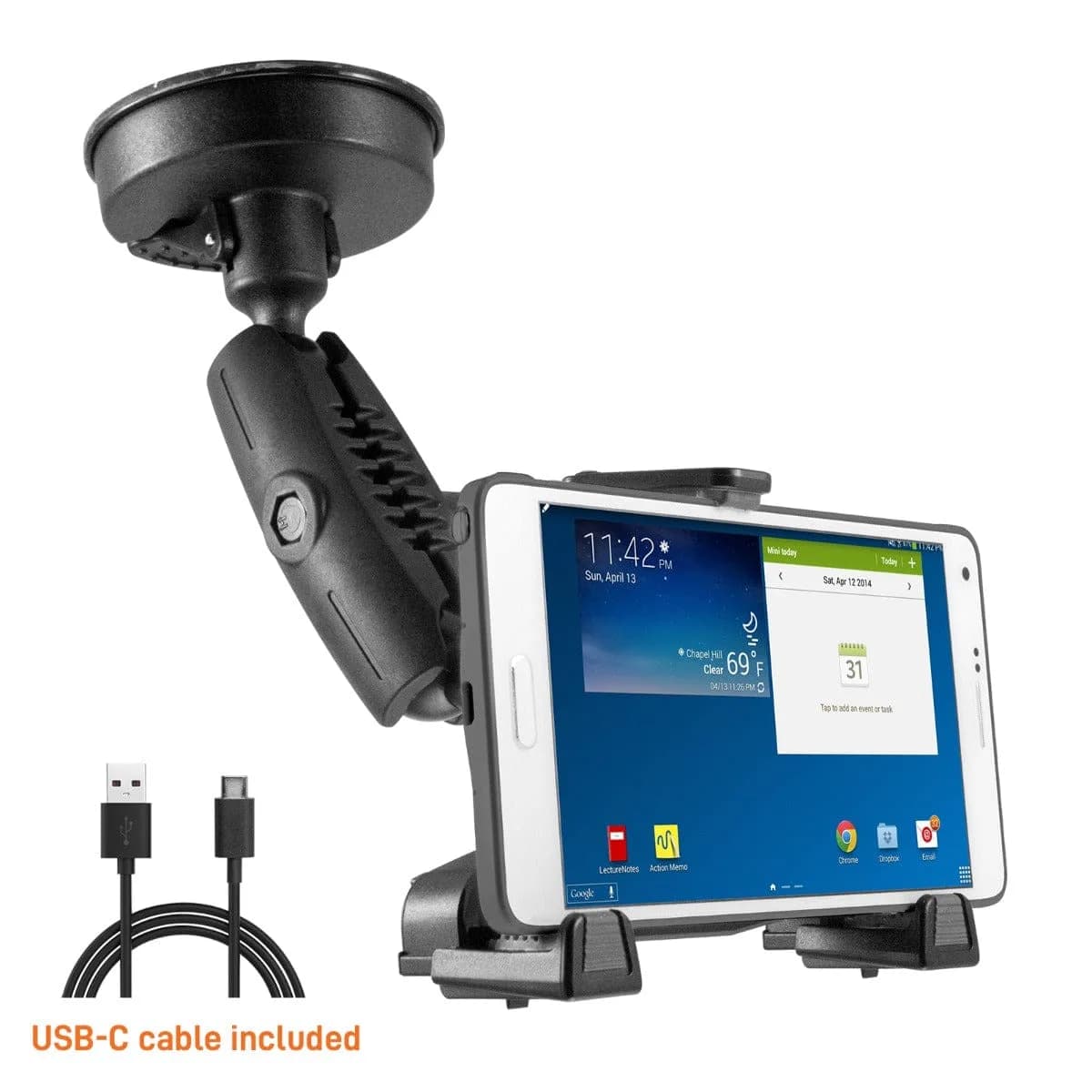
What is iBOLT Mounts?
iBOLT Mounts is a modular phone and device mounting system built around industry-standard ball-and-socket hardware, so one holder can move between your car, motorcycle, bike, and desk instead of buying a new mount for each. This guide breaks down how the system works, which base fits which setup, and why a modular design tends to outlast a fixed, single-purpose mount.
iBOLT Mounts is a ball-and-socket ecosystem, not a single product — the same phone or device holder can be reused across multiple bases and vehicles.
If you switch between a car, motorcycle, and desk regularly, iBOLT Mounts lets you buy one holder and swap bases instead of buying a separate mount for every setup. If you only need a single, permanent car mount, a simpler fixed mount may be less to think about.
Key Highlights
- How the ball-and-socket sizing system (17mm–57mm) lets parts cross-connect.
- Which mount base — suction, C-clamp, cup-holder, drill, magnetic, or handlebar — fits which surface.
- What phone and device sizes iBOLT holders actually fit.
- How to plan a mount for a car, motorcycle, bike, or desk without buying twice.
- The real trade-offs of a modular system versus a cheap fixed mount.
What is iBOLT Mounts?
iBOLT Mounts is a US-based mounting hardware brand (headquartered in Arcadia, CA) that builds phone, tablet, and GPS holders around a shared ball-and-socket standard instead of one-off, device-specific clips. Rather than selling a single "car mount" or "bike mount," the company sells interchangeable parts — holders, arms, adapters, and bases — that combine into whatever setup you need.
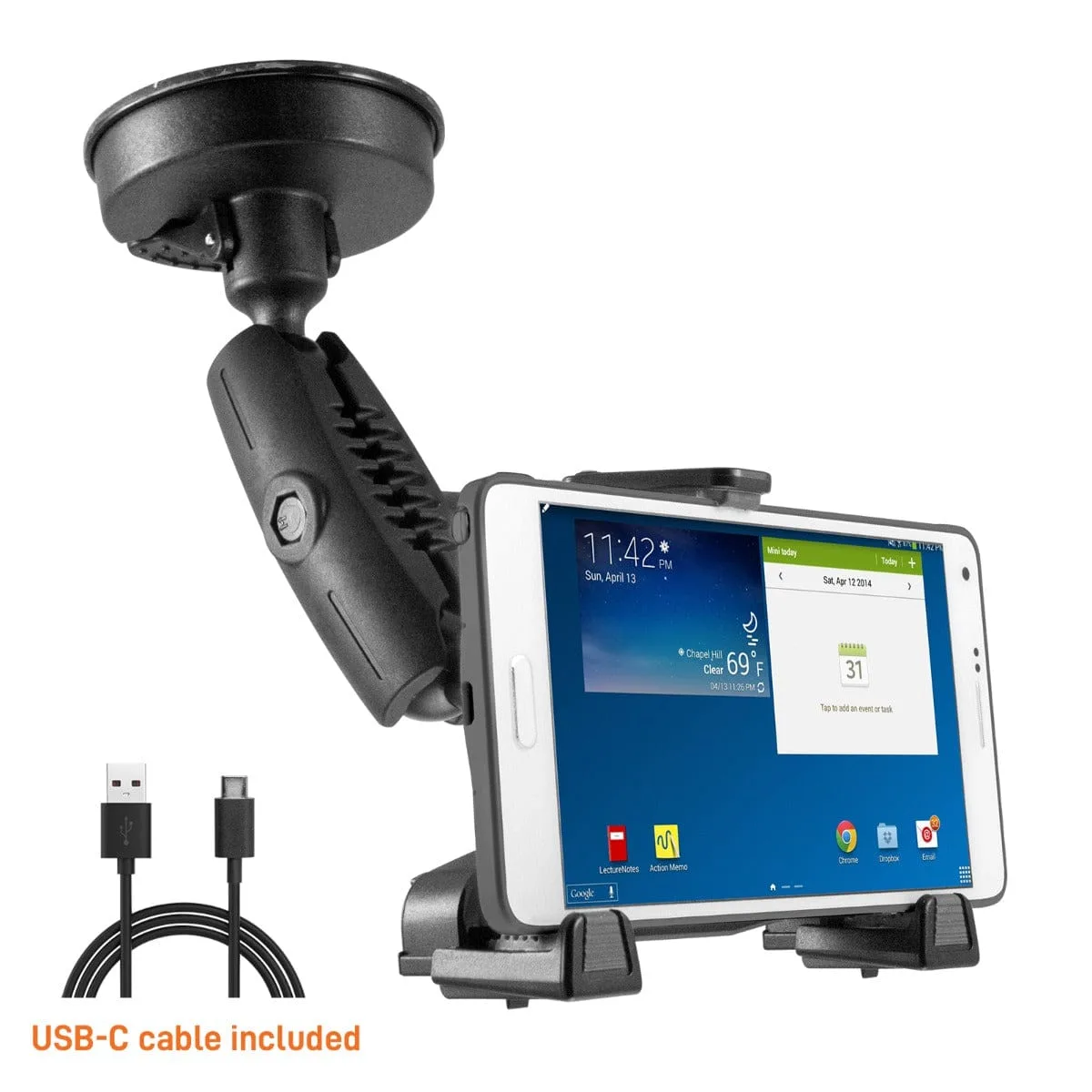
The brand holds a 4.80-star rating from 1,663 verified customer reviews and ships within 24 business hours from its California headquarters, with products also sold through Amazon. iBOLT positions its hardware as built for repeated daily use — vibration, temperature swings, and constant reattachment — rather than a single lightweight clip meant for occasional use.
How the modular ball-and-socket system works
Every iBOLT product is engineered around a small set of standardized ball sizes. According to the brand, iBOLT manufactures over 300 modular mounting parts built around six main ball sizes: 17mm, 20mm, 22mm, 25mm (1 inch/B Size), 38mm (1.5 inch), and 57mm (2.5 inch). Any part that ends in a given ball size will physically lock into any socket built for that same size, regardless of which specific product line it came from.
This is what makes the system "modular" rather than just "universal": a compact 17mm phone holder from one kit will click into a 17mm socket on a completely different base. The company's own framing is that "you should only need one mount, adaptable for any device or base."
When two parts use different ball sizes, iBOLT sells ball-to-ball adapters to bridge them. One example is a composite 25mm-to-17mm adapter that weighs about 15 grams and allows 360-degree rotation on both ends, letting a compact 17mm holder attach to a heavier-duty 25mm arm or cup-holder base — or the reverse. Because adapters are sold individually, you can expand or reconfigure a setup piece by piece instead of replacing the whole mount.
Mount base types: which one fits your setup
The base is the part that actually attaches to a surface — everything else (arm, ball adapters, holder) is interchangeable on top of it. iBOLT sells more than a dozen distinct base types, and picking the right one is really a question of what surface you're mounting to.
| Base type | Attaches to | Good for |
|---|---|---|
| Suction cup | Windshields, dashboards, flat glass or gel-surface panels | Cars, boats, temporary/rental-vehicle use |
| C-clamp | Flat edges — desks, shelves, tripod legs | Home office, streaming, workbench setups |
| Cup-holder mount | Center console or door-pocket cup holders (2.3– 4″ adjustable range) | Cars without a clean dash surface |
| AMPS/drill base | Industry-standard 4-hole AMPS pattern, screwed into dash or panel | Permanent, vibration-heavy installs |
| Magnetic base | Bare metal surfaces | Toolboxes, metal desks, industrial settings |
| Pole/handlebar clamp | Round bars via dual-ball clamping | Motorcycle and bicycle handlebars, tripod poles |
Because every base ends in the same standard ball, swapping environments — say, moving a phone holder from a car suction mount to a bike handlebar clamp — is a matter of unscrewing one base and clicking on another, not buying a new holder.
Device compatibility
iBOLT's smartphone holders are built to a width range rather than a list of specific phone models, which is what lets the same holder keep working as you upgrade phones. The miniProXL holder, for example, accommodates devices 2.2–3.8 inches (58–97mm) wide, which covers most current flagship phones — including recent Google Pixel, Samsung Galaxy, and comparable Android and iPhone models — and is stated to fit many phones inside protective cases such as OtterBox Defender and Lifeproof.
Phone holders are typically built on 17mm or 25mm (1-inch/B Size) ball joints, and use spring-loaded latches for one-handed clamping and release. Because the holder itself is what determines device fit — not the base — the same holder can move between a suction mount, a cup-holder mount, and a handlebar clamp without needing a different clamp for each.
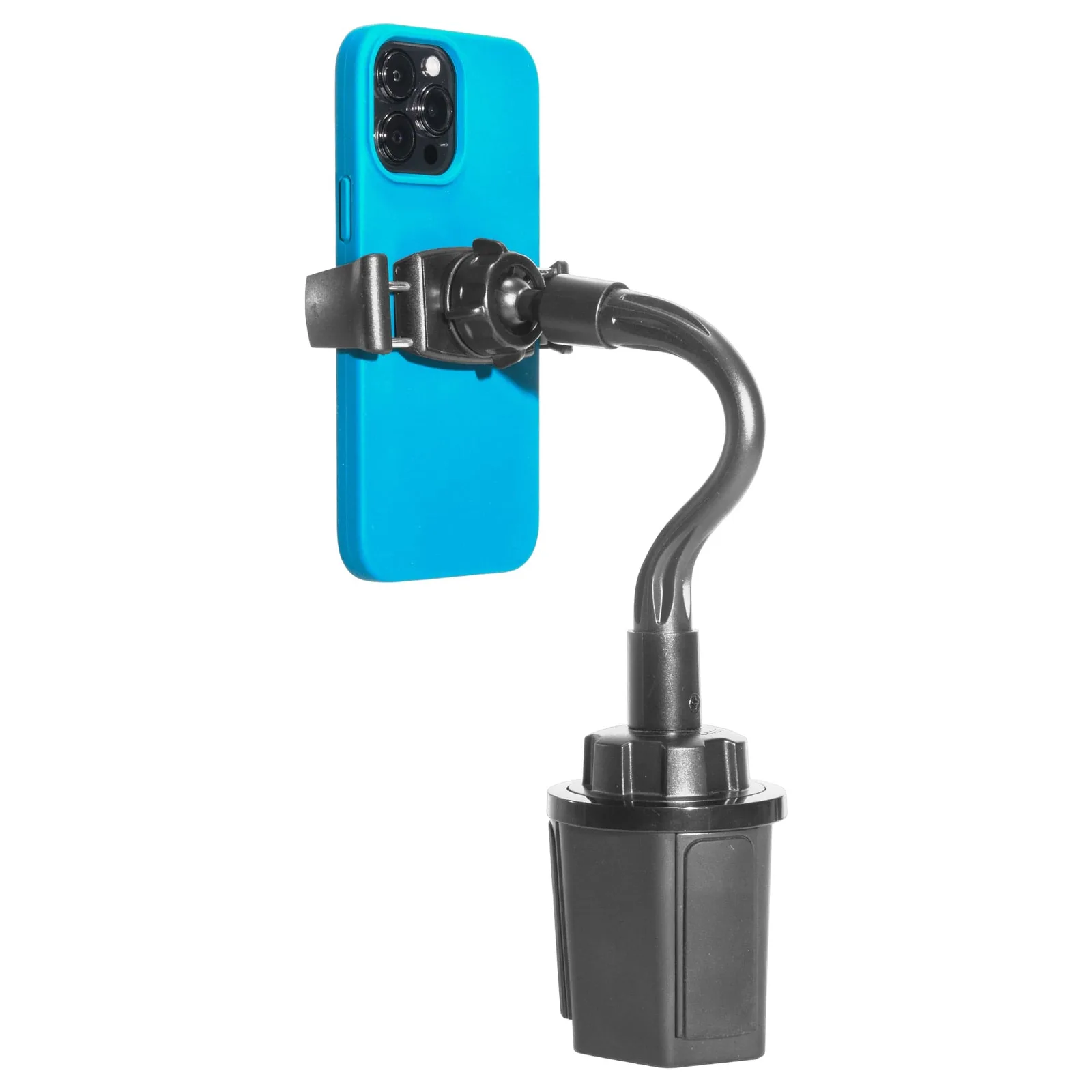
Building a mount for car, motorcycle, bike, or desk
Because the system is modular, building a setup is really three decisions: pick a base for the surface you have, pick a holder or arm sized for your device, and add a ball adapter only if the two parts use different ball sizes.
Car
Most car setups start with a suction-cup base for a clean dash or windshield, or a cup-holder base if you'd rather not mount to glass. Both are commonly paired with a 17mm holder for a lightweight, low-profile setup, or a 25mm arm for a longer reach and heavier device like a tablet.
Motorcycle
Motorcycle and scooter setups typically use a handlebar or pole clamp base, since there's no dashboard or cup holder to attach to. Vibration resistance matters more here than in a car, which is why heavier-duty 25mm hardware is often preferred over the smaller 17mm parts for handlebar use.
Bike
Bicycle stems and handlebars use the same pole/handlebar clamp base as motorcycles, just at a smaller bar diameter. Riders who also drive a car can reuse the same phone holder between the bike clamp and a car suction mount by swapping only the base.
Desk
Desk and workbench setups generally use a C-clamp base on the edge of a table or shelf, paired with whichever holder or arm size matches the device — a phone holder for calls and notifications, or a larger cradle for a tablet used as a second screen.
If you're also setting up an in-car system around a phone or head unit, our Carplaygo buyer's guide covers picking the right in-car display to pair with a dash mount. And if the "bike" setup above is for an e-bike specifically, see our Hikeep eBike review for handlebar-space considerations.
Why modular beats a fixed mount
A fixed, single-purpose mount is usually cheaper upfront, but it only solves one problem: one device, in one place. The moment you get a new phone, add a second vehicle, or want the same setup on a bike, a fixed mount forces a fresh purchase.
A modular ball-and-socket system spreads that cost differently — you buy the base, arm, and holder pieces once, then reconfigure with individual ball adapters as your setup changes. Because iBOLT's ecosystem is built around six standardized ball sizes shared across the whole product line, a part bought years apart still physically fits, which is not something you can count on with brand-specific proprietary mounts.
The trade-off is that a modular system asks you to think about compatibility before buying — you need to know your base's ball size to pick a matching holder or adapter. It rewards buyers who plan to reuse hardware across more than one vehicle or device, and matters less if you only ever need one mount, one time.
Risks and common mistakes
The most common setup mistake is mixing ball sizes without an adapter — a 17mm holder will not physically lock into a 25mm socket, so it's worth confirming the ball size printed on a product listing before buying a second piece. When in doubt, an adapter closes the gap rather than requiring a full replacement.
Suction bases depend on a clean, non-textured surface (glass or smooth plastic) to hold securely — mounting to a dashboard with a grained or matte texture can reduce grip over time. Handlebar and pole clamps should be matched to the actual bar diameter, since an undersized clamp can loosen under vibration on a motorcycle or bike.
Coverage is also worth checking against your 2-year warranty terms before buying: iBOLT covers workmanship and material defects, with the most favorable terms (no-cost replacement) applying within the first 30 days of purchase.
Getting started
If you're new to the ecosystem, the simplest starting point is one base matched to your primary surface (suction for a windshield, cup-holder for a console, handlebar clamp for a bike or motorcycle) plus one phone holder sized to your device's width. From there, additional bases or a ball adapter let you extend the same holder to a second vehicle or a desk setup later, rather than starting over.
iBOLT Mounts modular system
Built around six shared ball sizes across 300+ parts, so a starter base and holder can grow into a multi-vehicle setup later.
Where to go next
iBOLT Mounts is worth considering if you want one mounting system that follows you across a car, a bike, and a desk instead of buying separately for each. If you're deciding between specific base models or want side-by-side pricing, check the brand's current lineup directly using the link above before you buy.
Recommended for you
 RAWM Gaming Review 2026: Best 8K Wireless Mice Guide
 Nordkapp Diesel Heater Buying Guide 2026: Best kW & Control
 Genki Gaming Accessories: 7 Must-Know Picks (2026 Guide)
 SHEHDS Stage Lighting Guide: Best Fixture Types Explained (2026)
 Moving Head vs LED PAR: Best SHEHDS Stage Light Guide 2026
 Aurzen Projector Guide 2026: Best Model for Every Space