LED Lights for Night Snowboarding & Skiing: Light Up the Slopes
How LED lights for snowboarding and night skiing improve visibility — from cold-weather battery performance to mounting, brightness, and the reflective-gear and buddy-system practices that round out a safe night-riding setup.
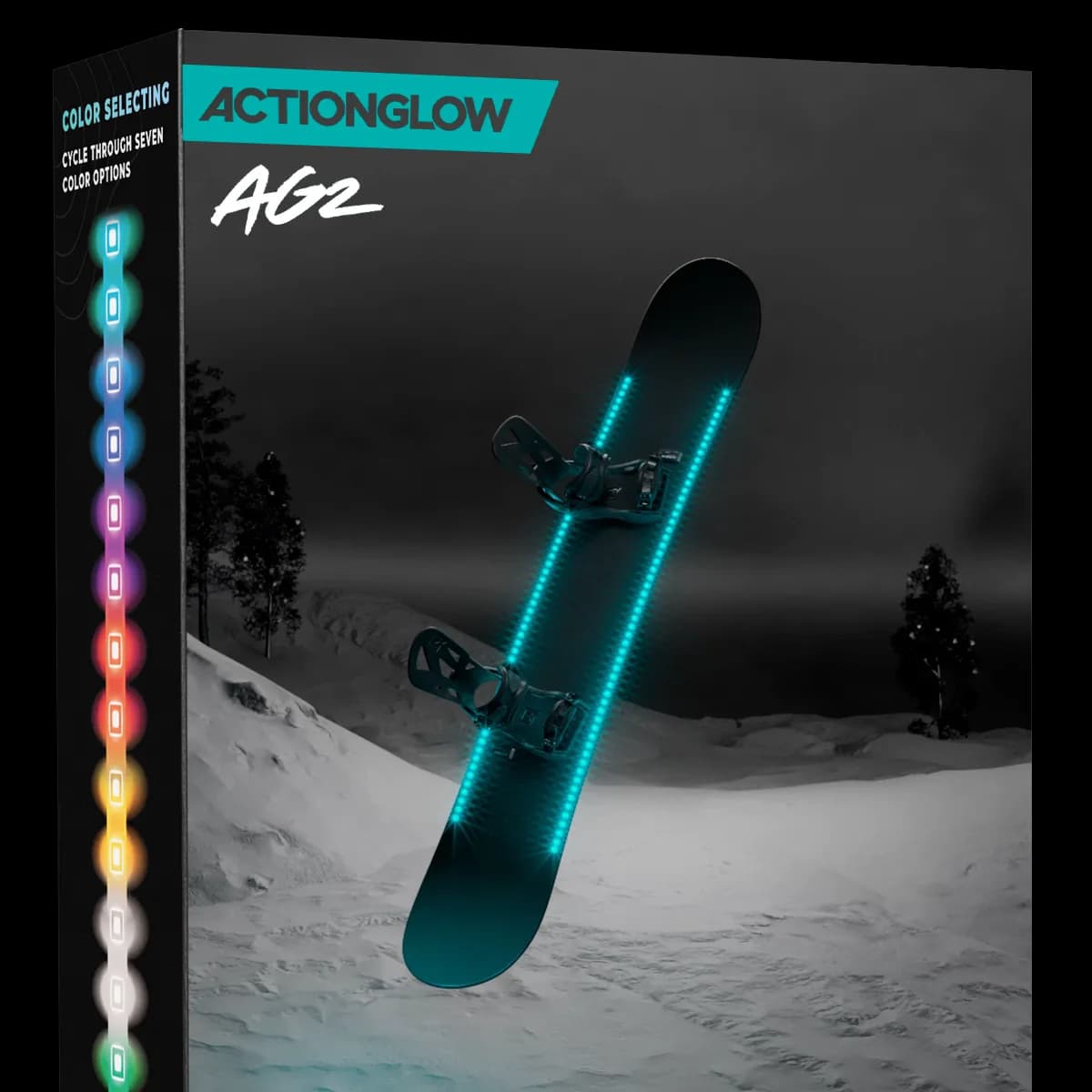
Why lighting matters for night snowboarding
LED lights for snowboarding and night skiing turn a pitch-dark run into a visible, safer one — for you, for the riders around you, and for ski patrol scanning the slope. As more resorts extend hours for night sessions, on-board and on-body lighting has moved from novelty to a genuine safety layer, alongside reflective gear and the buddy system.
Board- or ski-mounted LEDs, paired with a bright headlamp and reflective gear, are the core visibility setup for night snowboarding and skiing.
Equipment lighting does not replace a headlamp or resort trail markers — it adds a visibility layer so other riders, ski patrol, and lift operators can see you coming.
Check current priceWhat you will learn
- Why LED lights for snowboarding and skiing matter once the sun goes down
- How board- and ski-mounted LED systems work and what makes them different from a headlamp
- How cold weather affects battery runtime and LED durability
- How to mount lights on a board or skis without tools or damage
- What brightness, color, and visibility distance actually mean on snow
- How reflective gear and the buddy system round out a night-riding safety kit
Why lighting matters for night snowboarding
Night sessions strip away one of the biggest safety cues on a mountain: ambient light. Even on a well-lit resort run, shadows from trees, terrain features, and other riders can hide you from a snowboarder or skier coming up behind. Lighting professionals who focus on night riding recommend a headlamp of at least 1,200 lumens for groomed trail conditions, rising to roughly 2,000 lumens for steeper or faster runs, and note that additional lighting mounted directly to the equipment helps other slope users spot a rider earlier from a distance, not just at close range.
Clear or lightly tinted snow goggles with visible light transmission over 70% are also part of that recommendation, since a bright light source is only useful if you can actually see through your own lens in low-light conditions. Board- or ski-mounted LED lights for snowboarding work alongside a headlamp rather than replacing it — the headlamp lights your path, the equipment lights make you visible to everyone else.
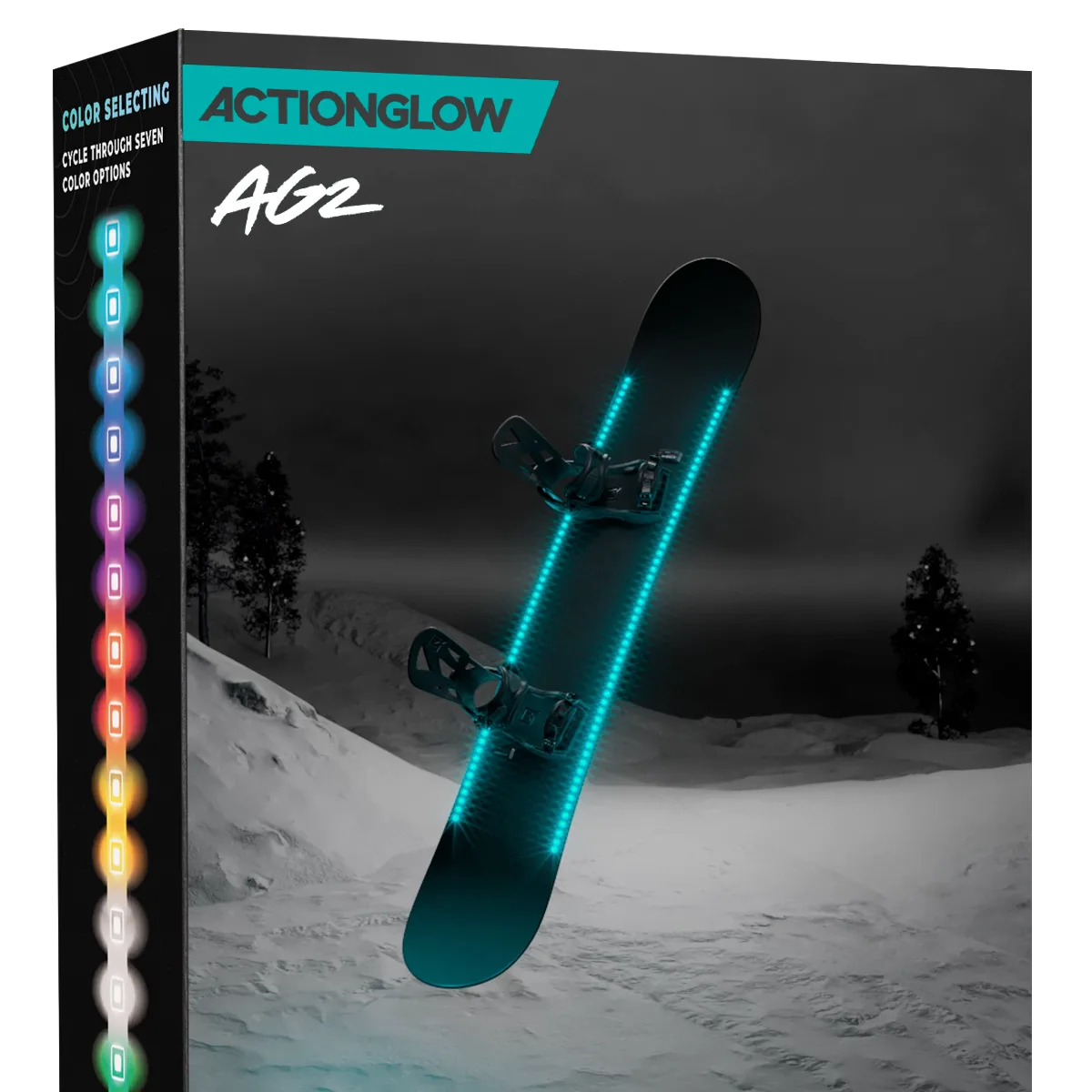
How LED board and ski lights work
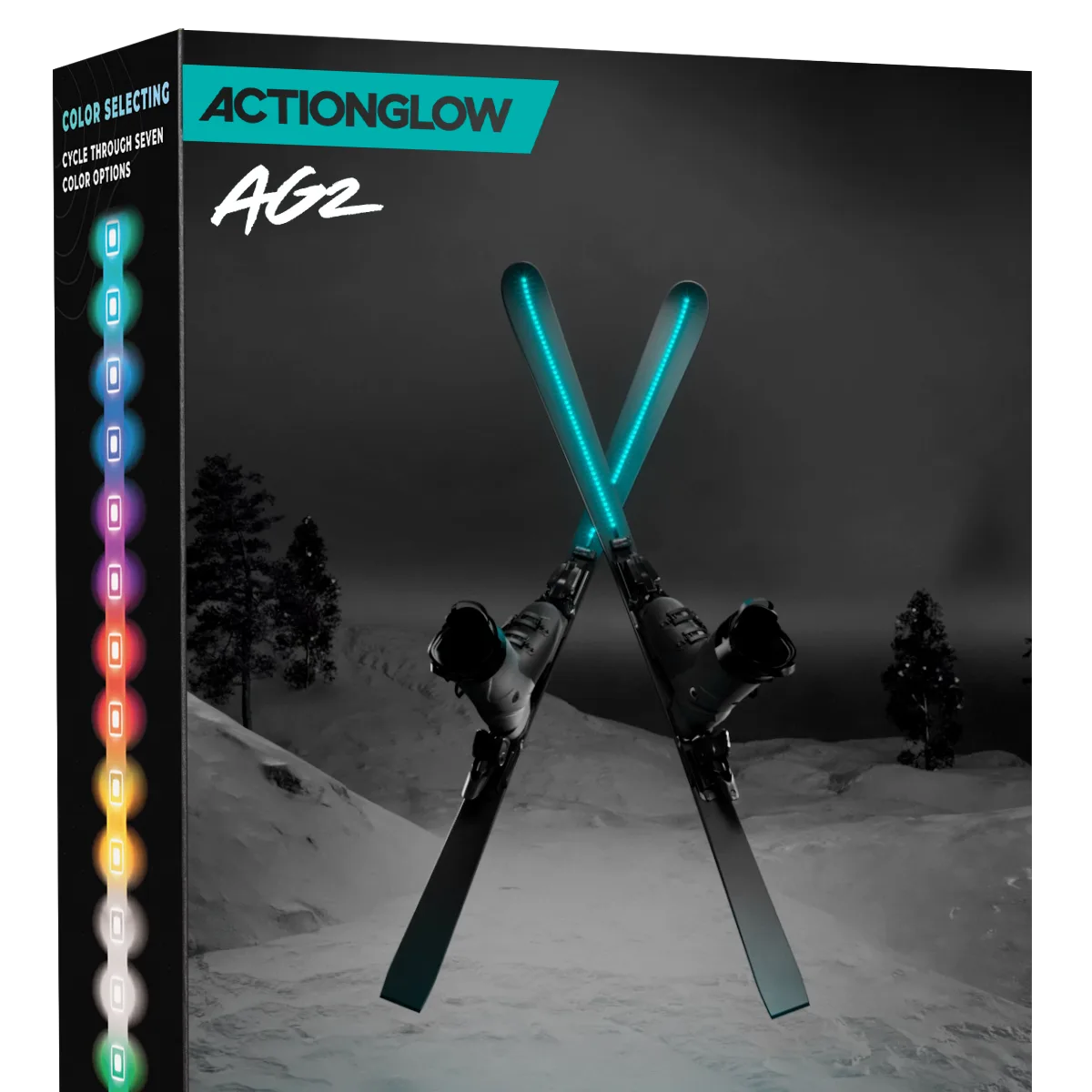
Most modern equipment-lighting systems use a slim, flexible LED strip powered by a small rechargeable battery pack, controlled with a single button for power, brightness, and color. The strip mounts along the edge, tip, or tail of a board or the top surface of a ski, so the light is visible from the side and behind — exactly the angles a headlamp on your own head cannot cover.
Because the strip sits directly on the equipment rather than on your body, it stays consistently oriented outward as you carve, rather than swinging with your head movement the way a helmet light does. That makes it a complement to, not a substitute for, a forward-facing headlamp.
Cold-weather battery and LED durability
The LED diodes themselves handle cold well — the technology is inherently durable in freezing conditions, and overall winter performance of an outdoor lighting system depends mainly on the battery chemistry and thermal design behind it, not the diode itself rather than the LED technology. That distinction matters when you are comparing systems for a night session on the mountain.
Standard lithium-ion batteries, common in outdoor gear, lose capacity fast in the cold: performance data shows capacity dropping to roughly 80% at freezing (32°F/0°C) and to about 60% at -4°F (-20°C), though they can still operate down to around -20°C in extreme cold. Cold conditions also drain a battery faster during active use, which is why keeping a spare battery in a warm inner pocket is a common cold-weather habit for night riders during winter night sports. Lithium iron phosphate (LiFePO4) batteries are noted as a stronger cold-weather option, withstanding operation from -20°C to 60°C while holding more of their capacity in low temperatures than standard lithium-ion cells.
In practice: don't judge a lighting system by how it performs in a warm living room. Ask how the battery is built, and plan on shorter runtime once temperatures drop below freezing.
Mounting LEDs on a board or skis
Equipment lighting is designed to be a weekend project, not a workshop job. ActionGlow's SNOW-collection systems use a custom-formulated industrial adhesive, so there are no screws, drilling, or permanent changes to the board or skis — installation takes under five minutes and causes no damage to the equipment, which keeps the mount fully reversible and non-destructive. That tool-free approach is one reason equipment lighting has spread from wakeboarding and wakesurfing into snow sports: the same mounting method works across boards, skis, bikes, and other gear.
Brightness, colors, and visibility distance
ActionGlow's AG2 LED systems offer seven color options — blue, green, cool white, magenta, red, amber, and cyan — with one-button switching, plus three brightness levels so a rider can dial in visibility for a crowded resort run versus a quiet backcountry lap for different riding conditions. More color and brightness control means you can match the light to conditions: brighter and whiter for maximum contrast on a dark run, or a distinct color to help your group spot you specifically in a crowd.
On distance, the manufacturer states its specially engineered LEDs can be seen from over half a mile away at night under night conditions — a manufacturer claim worth noting for context, since it illustrates the visibility gap equipment lighting is designed to close versus no lighting at all. ActionGlow's SNOW-collection hardware carries the same IP68-rated sealing against dust and full water submersion used across the brand's water-sports lines per the IEC 60529 standard — an IP68 seal should reasonably handle wet snow and slush on the mountain, though that rating specifically covers dust and submersion, not repeated freeze-thaw cycling.
Reflective gear and the buddy system
LED lights for snowboarding are one part of a broader night-safety setup, not the whole plan. Reflective baggy jackets or pants help riders catch light and stand out to other slope users, and equipment-mounted lights on a board and helmet add further visibility to fellow riders and ski patrol to other skiers and ski patrol. Riding with a buddy in low-visibility conditions, sticking to lit resort trails, and checking boundary markers round out a comprehensive strategy that combines personal reflective gear, equipment lighting, and group awareness for safe night riding. For more on dedicated action-sports lighting, our ActionGlow review breaks down the full range of collections and features across water, land, and snow sports. And if you're also curious about night water sports with similar lighting, our wakeboarding LED lights guide covers the water equivalent.
- Wear reflective or light-colored outerwear when riding after dark
- Mount lights on both the board/skis and helmet for multi-angle visibility
- Ride with at least one buddy, and agree on a meeting point before the run
- Stay on lit, marked trails and respect posted boundary markers
- Carry a charged spare battery in a warm inner pocket for longer sessions
Choosing a night-riding lighting system
| Factor | What to look for | Why it matters |
|---|---|---|
| Mounting | Adhesive, tool-free installation | No drilling or permanent damage to boards or skis |
| Water/dust sealing | IP68 rating or equivalent | Handles wet snow, slush, and freeze-thaw cycles |
| Battery chemistry | Cold-rated cells (e.g. LiFePO4) | Standard lithium-ion loses significant capacity below freezing |
| Brightness/color control | Multiple brightness levels, several colors | Lets you match visibility to conditions and group needs |
Within that framework, ActionGlow's SNOW collection is built on the same adhesive-mount, IP68-rated hardware the brand uses across its water-sports lines, adapted for board and ski mounting — which is why it's a reasonable starting point if you're shopping for equipment lighting rather than researching every option from scratch.
ActionGlow SNOW Collection
Adhesive-mount, IP68-rated LED lighting for boards and skis, with seven colors and three brightness levels.
Check current priceGetting started
If you're new to night snowboarding or skiing, start with the basics: a headlamp rated for trail conditions, reflective outerwear, and a riding buddy. Adding board- or ski-mounted LED lights is the next layer once you're comfortable on lit trails after dark — it's a low-effort upgrade since adhesive mounting takes minutes and doesn't lock you into one board or one season. Since most of this gear runs on rechargeable batteries, our guide on how to choose the best rechargeable flashlight for everyday use is a useful primer on runtime, charging, and battery care that carries over to any rechargeable lighting setup.
For a closer look at how ActionGlow's full lighting range performs across brightness, colors, and build quality, our in-depth brand review covers the details once it's published. If board- and ski-mounted lighting has you curious about equipment lighting for water sports too, our wakeboarding night-riding guide covers that use case.
Where to go next
Night visibility on snow starts with a bright headlamp, reflective gear, and a buddy — equipment-mounted LEDs like ActionGlow's SNOW collection add a further layer that makes you visible to other riders and ski patrol from a distance, without tools or permanent changes to your gear.
See ActionGlow SNOW lightingSources
This article is for general safety information only and does not replace resort trail rules, ski patrol guidance, or manufacturer instructions. Always follow posted resort policies for night riding, and check your equipment lighting's instructions before use. Velextrics may earn a commission from qualifying purchases made through links in this article.
Recommended for you
 Level 2 EV Charger Guide: How to Pick the Best One (2026)
 EVIQO EV Charger Review 2026: Worth Buying? Full Guide
 Plug-In vs Hardwired EV Charger: Best Setup for 2026
 ActionGlow Review 2026: Best Waterproof LED Lights? (IP68)
 LED Lights for Wakeboarding: 7 Night-Riding Safety Tips (2026)
 RAWM Gaming Review 2026: Best 8K Wireless Mice Guide