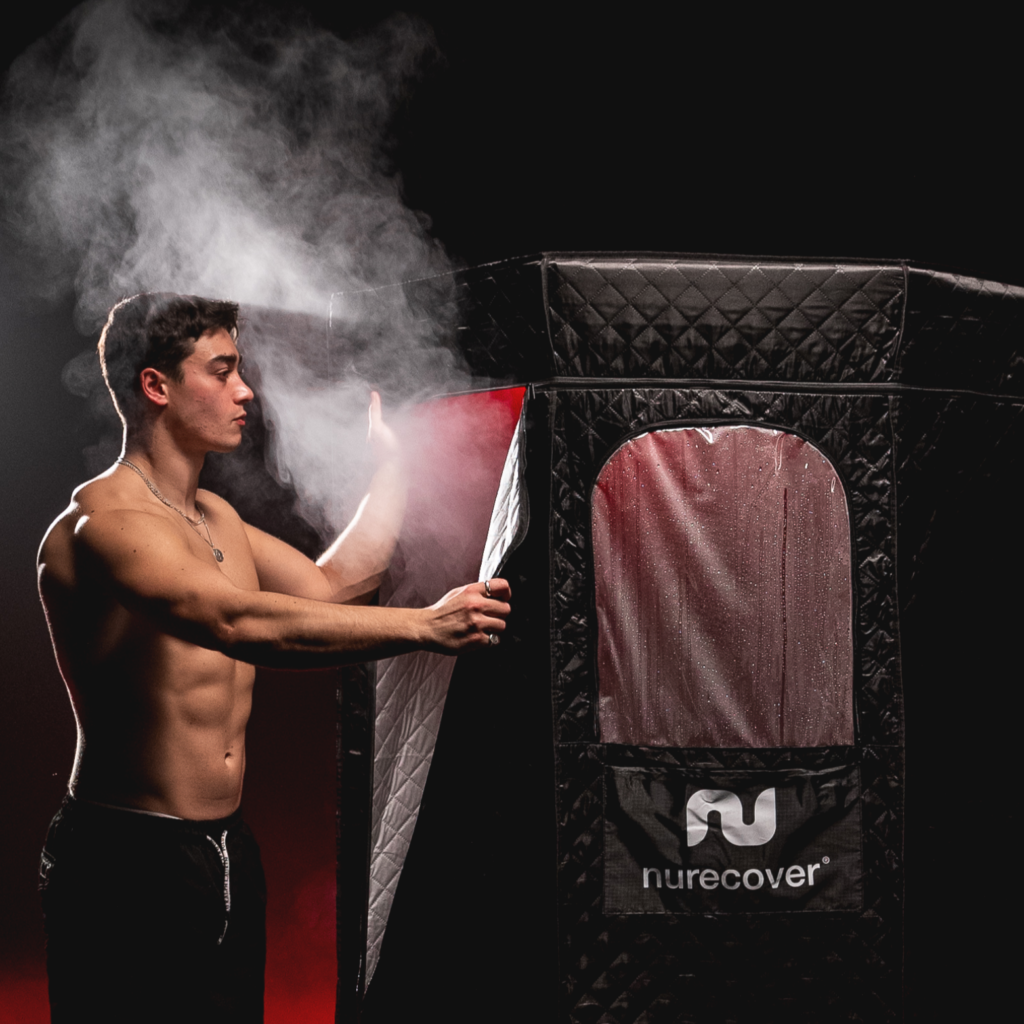
A couple of years ago, I discovered Nurecover, “cold plunging” was this niche thing you’d hear about from a friend who also owns toe shoes and talks about breathwork like it’s a new religion.
Now it’s everywhere.
TikTok. YouTube. Pro athletes. Weekend warriors. People who just want to stop feeling like a human laptop with low battery by 3pm.
And look, I get the hype. Cold water does something immediate. You step in. Your brain goes quiet because it has no choice. You come out feeling weirdly… clean. Like your nervous system got rebooted.
The annoying part is the logistics.
Because doing a cold plunge at home sounds simple until you actually try to do it. Ice runs. Melted water. A bathtub that never gets cold enough. A chest freezer setup that makes your partner question your mental health. Plus the real issue. Consistency. If it’s a pain, you won’t do it.
That’s why more people are moving toward purpose built at home cold plunge setups. And one name that keeps popping up is Nurecover.
So this is a practical guide. What a cold plunge at home actually does, how to do it safely, what most people mess up, and why Nurecover is the kind of setup that makes the habit stick.
Why cold plunging got so viral in the first place
Cold plunging is not new. Athletes have been using cold water for recovery for a long time. What changed is that it’s now packaged as a lifestyle upgrade. A daily ritual. A “do hard things” identity thing.
But the real reasons people keep doing it are much simpler.
1. It can reduce soreness and help recovery feel faster
After hard training, cold water can help you feel less beat up. Not magic, not instant muscle building, but a noticeable reduction in soreness for a lot of people. Especially after high volume leg work, running, long hikes, or sports where you get banged up.
This is one reason it took off with athletes first.
2. It can calm you down, but also make you feel alert
Cold exposure hits your system like a loud knock on the door.
You get a spike in alertness. Then, after you get out, a lot of people feel more calm. Like the “noise” in their body turns down. It can feel similar to finishing a workout or taking a really hot shower, but in the opposite direction.
Not everyone experiences it the same, but the pattern is common.
3. It forces you to breathe, which forces you to be present
This is the part people don’t say out loud because it sounds a little woo.
But it’s true.
When you get into cold water, you can’t scroll. You can’t multitask. You have to breathe. So it becomes this short daily window where you’re not being pulled around by your phone, your stress, your to do list, your everything.
That alone is worth something.
The problem with “DIY cold plunge at home” setups
Most people start with the bathtub. Respect. It’s the easiest entry point.
But here’s what happens.
- The tub doesn’t get cold enough, unless you dump a silly amount of ice in.
- The ice melts fast, especially in summer.
- You stop doing it because you don’t want to go buy ice again.
- Or you do it inconsistently and then wonder why you’re not getting the “benefits.”
The chest freezer method can work, but it comes with its own issues.
- Water sanitation becomes your new hobby.
- You’re constantly worried about mold, smell, and “is this safe.”
- Temperature control is clunky unless you mod the setup.
- It’s not always designed for people to actually sit in comfortably.
At home cold plunging only works if it’s frictionless. If it feels like a chore, you’ll do it for 9 days, post about it once, then quietly stop.
Which is why dedicated solutions like Nurecover are showing up everywhere.
What is Nurecover, and why are people using it?
Nurecover is a brand focused on recovery tools, and they’re best known for making at home cold plunge setups that are built to be used consistently. Not hacked together. Not “close enough.”
The simple pitch is this.
You want the cold plunge experience at home, with proper temperature, a setup that doesn’t take over your life, and something that looks like it belongs in your space instead of a science experiment.
When people say “viral recovery hack,” this is what they mean. Not that cold water is new. But that now it’s actually realistic to do it daily without turning it into a second job.
Benefits people actually notice from cold plunging (and what’s exaggerated)
Let’s keep it honest.
Cold plunging isn’t a miracle. It won’t fix a terrible diet, poor sleep, or a training plan that’s basically self harm.
But it does have some real, practical effects when you do it consistently.
Common benefits people report
Less muscle soreness Especially after intense sessions. The “I can walk again” effect can be real.
Better mood Not in a “cured my whole life” way, more like a steady baseline improvement for some people.
More energy A cold plunge in the morning is basically a hard reset. If you’ve been leaning on caffeine just to feel normal, this can feel like a cleaner kind of wake up.
Better stress tolerance This is the sneaky one. You practice staying calm while your body screams. Then normal stress feels a little less dramatic.
Things that get exaggerated online
Fat loss claims Cold exposure can increase calorie burn a bit, but it’s not a substitute for actual nutrition and activity.
Testosterone superpowers You’ll see wild claims. Real life is more boring. You might feel better and more driven, but it’s not a cheat code.
“Cures inflammation” Cold can reduce soreness and temporarily affect inflammation related symptoms. But chronic inflammation is a big topic and not something you solve with a tub.
How cold should your at home cold plunge be?
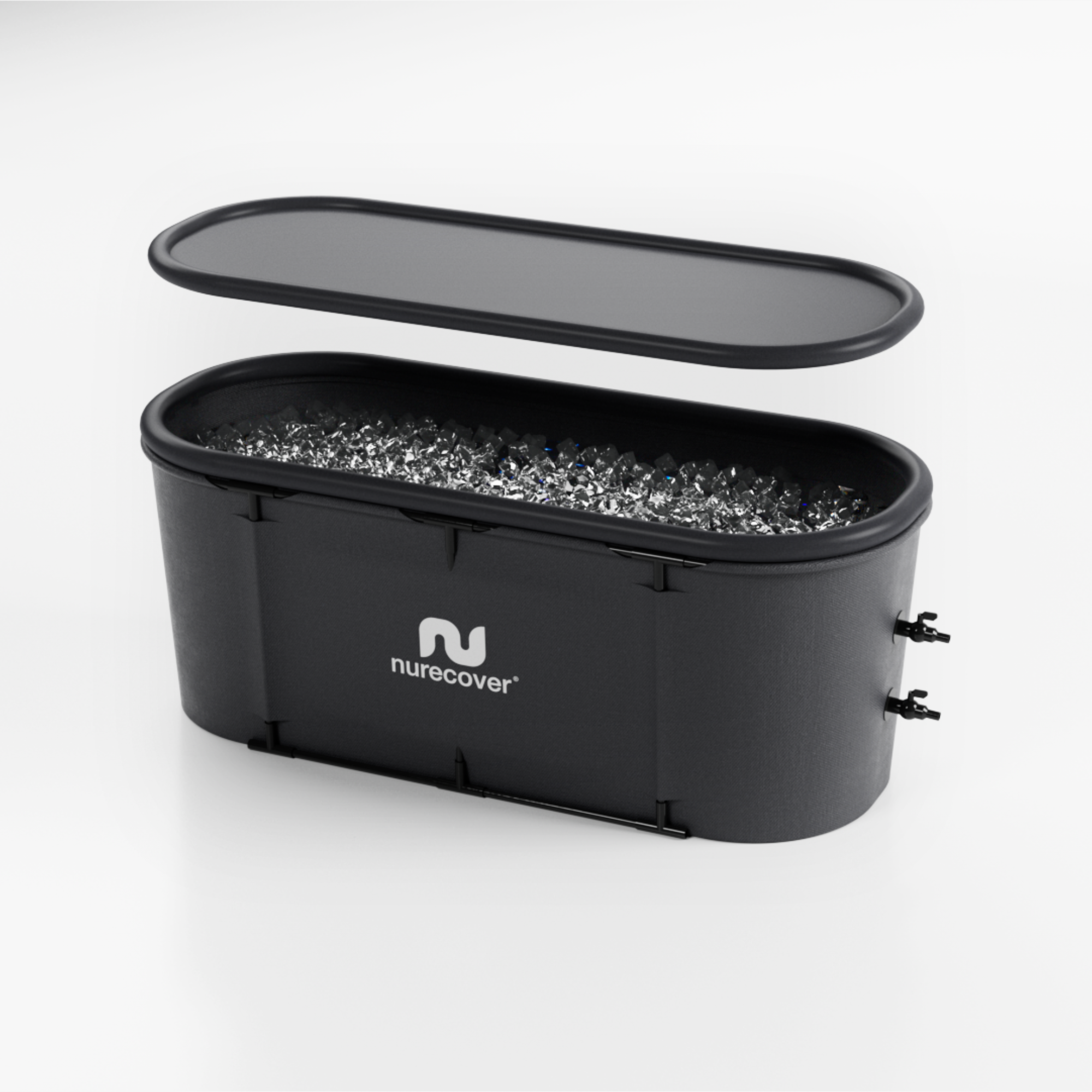
Most people don’t need extreme cold to get results.
A practical range is usually 50 to 59°F (10 to 15°C) for general use. If you go colder, fine, but you don’t need to suffer for the sake of suffering.
If you’re brand new, start warmer. Seriously. Your first goal is consistency, not hero points.
How long should you stay in?
This is where people either do too much or quit too early.
A simple approach:
- Beginner: 30 seconds to 2 minutes
- Intermediate: 2 to 5 minutes
- Advanced: 5 to 8 minutes (sometimes more, but you get diminishing returns)
You don’t need 15 minutes. You need a repeatable ritual. Something you can do even on days you’re busy, tired, or not in the mood.
Because those are the days that matter.
A simple at home cold plunge protocol (that won’t burn you out)
Here’s a routine that works for a lot of people.
Step 1: Pick a time you can actually stick to
Morning works because it’s harder to “run out of time” later. But post workout also makes sense if recovery is your main goal.
What matters is that you choose a time you can repeat.
Step 2: Set a temperature target and stop overthinking it
Pick a range, like 52 to 57°F. Live there for a few weeks.
Step 3: Do 3 to 5 sessions per week
Daily is cool. But you don’t need daily to get benefits. Consistency beats intensity.
Step 4: Focus on your breathing
When you get in, your body wants to panic breathe.
Instead, aim for slower exhales. Long exhale, steady inhale. You’re teaching your nervous system that you can handle discomfort without spiraling.
Step 5: Warm up naturally after
After you get out, towel off and let your body warm itself. Walk around a bit. Light movement. You don’t need to jump into a boiling shower immediately unless you want to.
Safety notes nobody wants to talk about
Cold plunging is intense. And yes, it can be risky if you’re careless.
A few basic rules.
- If you have heart issues, blood pressure concerns, or any medical condition that makes cold exposure risky, talk to a medical professional first.
- Don’t plunge alone if you’re experimenting with very cold temps or long durations.
- If you feel dizzy, numb beyond normal, or weird in a bad way, get out.
- Avoid alcohol before cold plunging. Just don’t.
- Ease in. The goal is adaptation.
Also, cold plunging is not a competition. The internet will make you feel like you need to do 38°F for 12 minutes while reciting affirmations.
You don’t.
Why an actual at home cold plunge setup changes everything
Here’s the difference between “trying cold plunging” and “being someone who cold plunges.”
One is occasional. The other is automatic.
A dedicated cold plunge setup makes it automatic because:
- It’s already cold. You don’t have to buy ice.
- Temperature stays consistent.
- It’s easier to keep clean.
- It feels like a real recovery tool, not a messy experiment.
- You don’t have to convince yourself every time.
And this is where Nurecover comes in for a lot of people.
Because the biggest benefit isn’t just the cold. It’s the fact you can walk over, get in, get out, and move on with your day. No drama.
What to look for in a Nurecover style at home cold plunge (even if you’re comparing options)
If you’re shopping for an at home cold plunge, here’s what matters more than marketing.
1. Reliable temperature control
If you can’t keep the water consistently cold, you’ll either quit or keep messing with it. A good system should hold temp without you babysitting it.
2. Sanitation and filtration
This is the unsexy part. But it matters.
Dirty water is gross. Also, it’s a health risk. A setup that supports clean water habits makes the whole thing feel easier and safer.
3. Comfort and size
If you don’t fit comfortably, you’ll avoid it. If it’s awkward to get in and out, same problem.
4. Setup that doesn’t take over your home
Some systems look like gym equipment. Some look like a lab. If you want to use it daily, it needs to work with your space.
5. Low friction maintenance
You want a routine, not a hobby.
The less time you spend managing the plunge, the more time you spend actually plunging.
How to make cold plunging a habit, not a phase
This is the part that decides whether you get results.
Because cold plunging is one of those things that feels amazing after, but your brain will still negotiate with you before. Every time.
A few tips that help:
Keep sessions short on busy days
Tell yourself, “Just 60 seconds.” Once you’re in, you might stay longer. But even 60 seconds keeps the streak alive.
Pair it with something you already do
Cold plunge then coffee. Cold plunge then skincare. Cold plunge then walk the dog. Simple pairing makes it sticky.
Track how you feel, not just minutes
The real win is, “Did I feel calmer after?” or “Did my legs recover faster?” not “Did I suffer longer than yesterday?”
Don’t chase extremes
If you keep making it harder, you’ll eventually make it too hard.
Stay in the zone where it’s challenging but doable. That’s where consistency lives.
Who a Nurecover at home cold plunge is best for
Not everyone needs a dedicated system. If you’re experimenting, a bathtub with a couple bags of ice is fine.
But a Nurecover style at home plunge makes the most sense if:
- You train regularly and want better recovery.
- You’re serious about building a daily routine.
- You’re tired of buying ice.
- You want consistent temperature without tinkering.
- You care about cleanliness and ease.
Basically, if you know you’ll use it, the convenience is the whole point.
Let’s wrap this up
Cold plunging is viral for a reason. It’s simple, intense, and it actually makes a lot of people feel better. More awake. Less sore. More steady.
But doing a cold plunge at home only works if it’s easy enough to repeat.
That’s why setups like Nurecover matter. Not because cold water is a new discovery. But because the habit becomes realistic when the friction disappears.
If you want the simple plan, here it is.
Pick a temperature you can tolerate. Start with short sessions. Do it a few times a week. Focus on breathing. Keep it clean. Don’t turn it into an ego thing.
And if you’re ready to make it a real part of your life, not just a two week challenge you forget about, an at home cold plunge setup like Nurecover is the upgrade that makes the whole thing actually stick.
FAQs (Frequently Asked Questions)
What is cold plunging and why has it become so popular recently?
Cold plunging involves immersing yourself in cold water, a practice athletes have used for recovery for years. Its recent popularity surge is due to it being packaged as a lifestyle upgrade and daily ritual that offers benefits like reduced soreness, increased alertness, and stress relief.
How does cold plunging help with muscle soreness and recovery?
Cold water immersion can reduce muscle soreness by helping your body recover faster after intense training sessions such as running, hiking, or sports. While it’s not magic or instant muscle building, many people notice a significant decrease in post-workout discomfort.
What are the challenges of doing a DIY cold plunge at home?
DIY setups often involve bathtubs or chest freezers but come with issues like insufficiently cold water without excessive ice, quick ice melt especially in warm weather, inconsistent use due to hassle, sanitation concerns, mold risks, poor temperature control, and uncomfortable designs that make regular use difficult.
Why is Nurecover considered a better solution for at-home cold plunging?
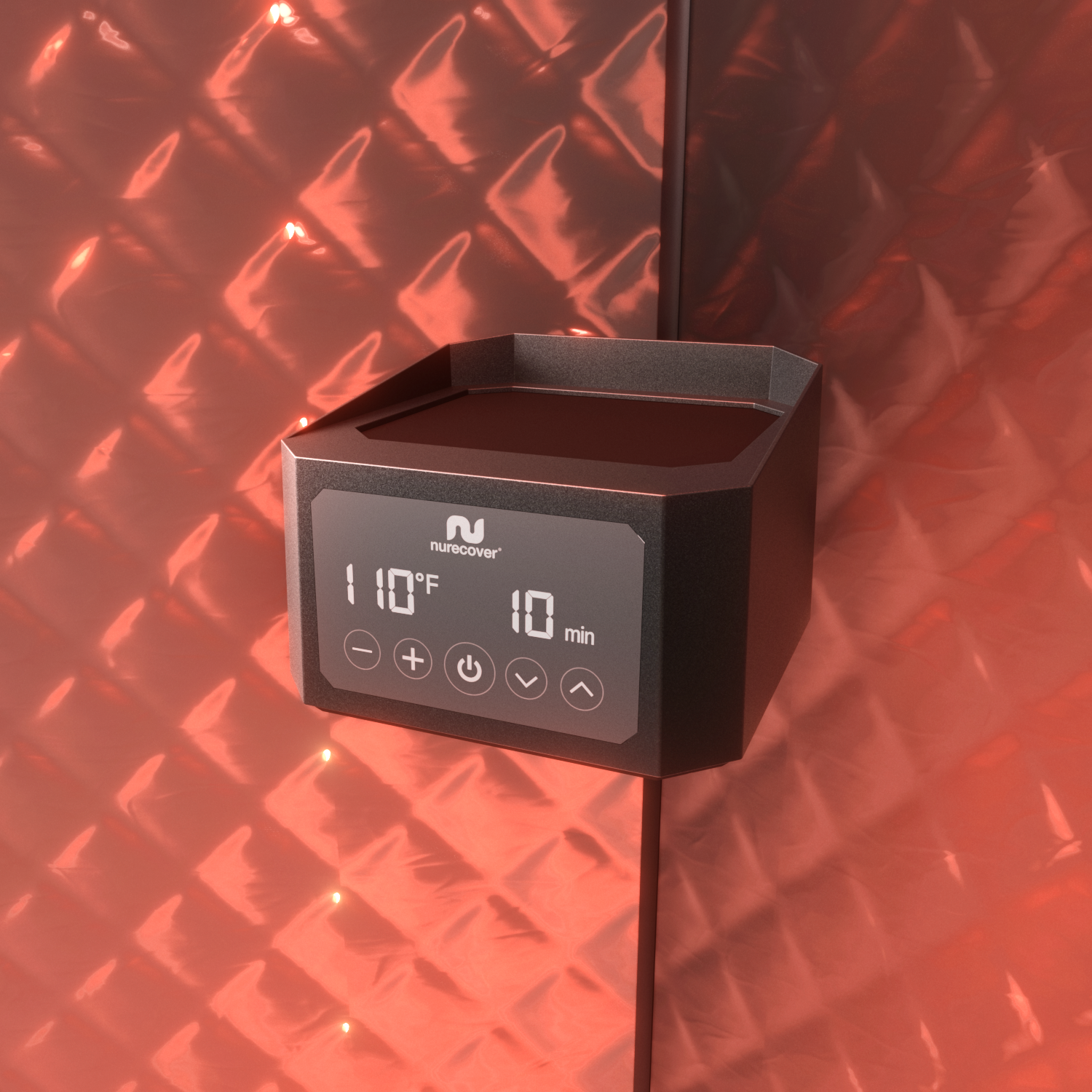
Nurecover offers purpose-built at-home cold plunge setups designed for consistent use. Their products maintain proper temperature control, ensure easy maintenance without complicated hacks, provide comfortable seating, and feature designs that fit seamlessly into your living space rather than feeling like a science experiment.
What real benefits can I expect from regular cold plunging?
Consistent cold plunging can lead to less muscle soreness after workouts, improved mood with steady baseline uplift, increased energy similar to a clean morning reset without caffeine dependence, and better stress tolerance by training your body to stay calm under pressure.
Which common claims about cold plunging are exaggerated or misleading?
Claims that cold plunging causes significant fat loss or dramatically boosts testosterone are often overstated. While cold exposure can slightly increase calorie burn and improve how you feel overall, it is not a substitute for proper nutrition, exercise, or medical treatments.
Learn more here: Velextrics.com