I’m not the kind of person who tries a new recovery thing like Nurecover and instantly believes it’s magic. I’ve bought massage guns that ended up in a drawer. I’ve done the whole “stretch for 10 minutes a day” phase for like… 4 days. Then life happens.
But I kept seeing Nurecover everywhere. Athletes. Gym people. Weekend warriors. And what got me wasn’t the hype, it was the boring promise. Better recovery. Less soreness. More consistency.
So I did it properly.
30 days. No skipping because I “forgot”. No changing ten other things at once and then pretending I know what worked. I kept training the way I normally do, ate basically the same, slept the same (not perfect), and I used Nurecover consistently.
And yeah. My body changed. Not in a dramatic before and after Instagram way. More in the way you notice when you stop waking up feeling like you got hit by a truck.
Here’s exactly what I did, what I noticed week by week, and what I’d tell a friend who’s thinking about trying it.
What I Was Trying to Fix (My “Before”)
Before this, my recovery routine was… kind of random.
Some days I’d foam roll. Some days I’d do nothing. Sometimes I’d push through soreness because my schedule said “legs today” even though my legs said “absolutely not”.
My main issues:
- DOMS that lingered too long, especially after leg days
- Tightness in quads, hamstrings, and calves that felt like it never fully reset
- That subtle fatigue where workouts feel harder than they should
- I was consistent, but it took effort. Like I was always managing soreness instead of building momentum
I didn’t expect Nurecover to make me stronger overnight. I just wanted to bounce back faster so I could actually train, not negotiate with my muscles all week.
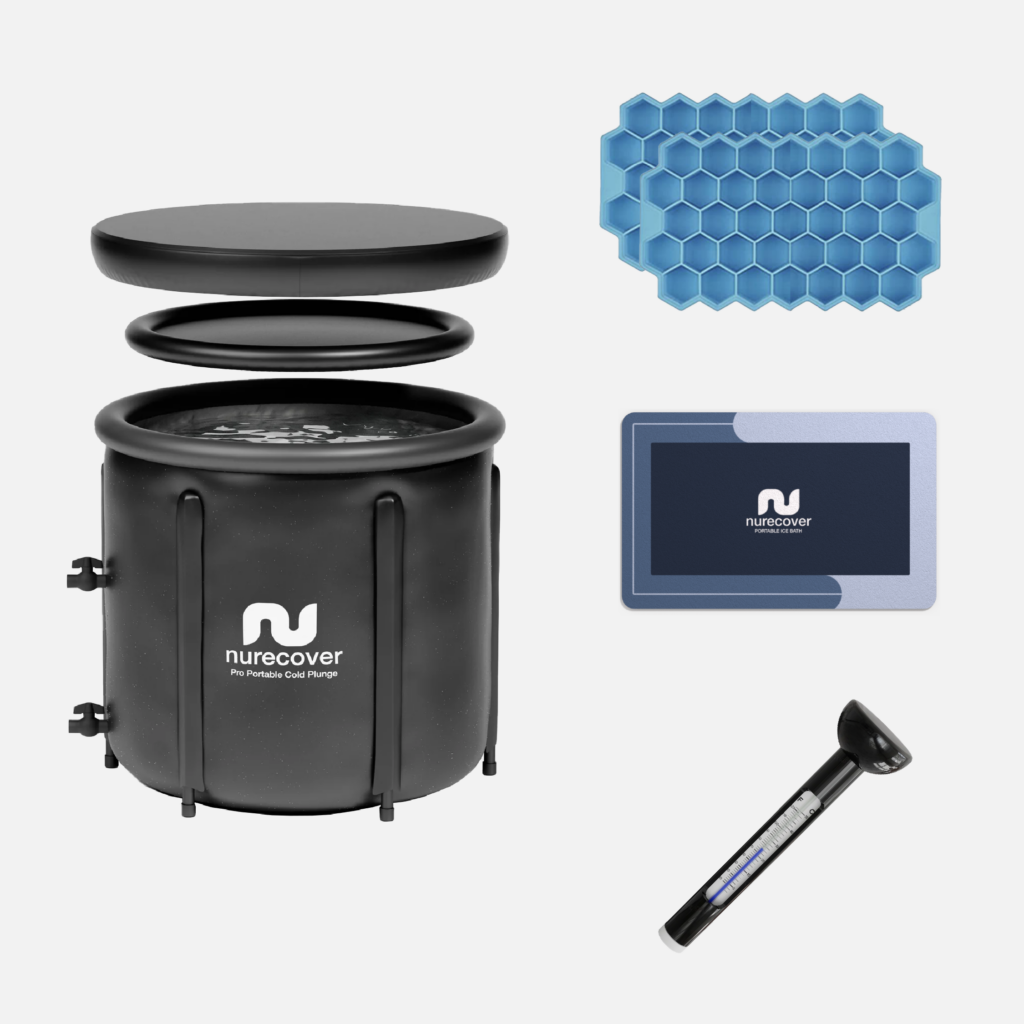
What Nurecover Is (In Plain English)
Nurecover is basically a recovery system designed to help your muscles recover faster, using compression style therapy. The idea is you use it post workout or on rest days to help circulation and reduce that heavy, sore feeling.
If you’ve ever tried compression boots at a physio clinic or seen athletes using them after a game, it’s that vibe. But for at home.
That was the appeal for me. Because I’m not booking massages twice a week. I’m not living in an ice bath. I need something I can do while answering emails or watching YouTube and pretending I’m “relaxing”.
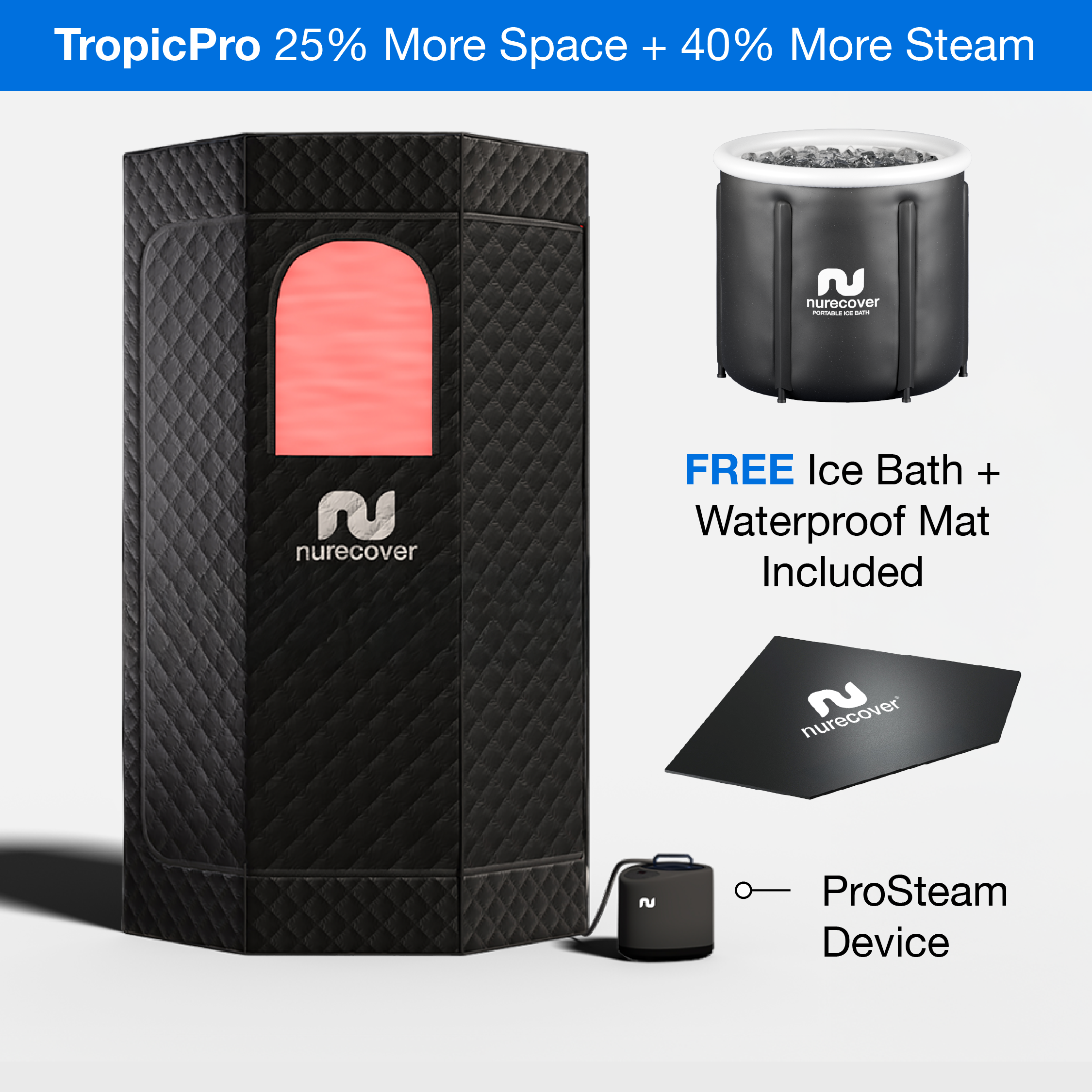
My 30 Day Setup (So This Test Was Actually Fair)
I’m going to lay this out clearly because these “I tried X for 30 days” posts are usually vague.
Here’s what I did:
Training (unchanged):
- 4 days a week lifting (2 upper, 2 lower)
- 1 to 2 light cardio sessions (mostly incline walking)
- Average daily steps stayed around the same for me
Nurecover use:
- 5 to 6 sessions per week
- Most sessions were 20 to 30 minutes
- Usually right after training, sometimes later at night
- Targeted legs most of the time because that’s where I hold the most soreness
Other recovery stuff:
- I still did light stretching sometimes
- Water intake was normal for me
- Sleep was… okay. Not amazing. Real life.
So no, I didn’t suddenly become a wellness monk. The point was to see if Nurecover made a difference inside a normal routine.
Week 1: The “Is This Even Doing Anything?” Phase
The first few sessions felt good, but not in a dramatic way.
It was more like.
Oh, my legs feel warm. And kind of lighter after.
But soreness still showed up like normal after workouts. Especially after squats and RDLs. Day two DOMS still hit. Walking downstairs still required emotional support.
What I did notice in week 1 though:
- My legs felt less “puffy” at night
- That end of day tightness reduced a bit
- Sleep felt slightly deeper on the nights I used it late
Not every night. But enough times that I noticed a pattern.
I’ll be honest. If I stopped after 7 days I probably would’ve said it’s “nice” but not necessary.
Week 2 is when it started getting interesting.
Week 2: Recovery Time Started Shrinking
Week 2 is when soreness didn’t disappear, but it stopped overstaying its welcome.
Normally after a heavy lower day, I’m sore for a solid 48 hours, sometimes longer. In week 2, it felt like the soreness peaked and then dropped quicker. Like it didn’t cling to me.
A few specific things I noticed:
1. Less stiffness the morning after leg day
Usually I wake up and my first steps are stiff and awkward. That got noticeably better.
2. I warmed up faster
This was subtle but real. I didn’t need as many sets to feel mobile. My joints and muscles felt like they got into “work mode” quicker.
3. Better training consistency
I stopped shuffling workouts around. I didn’t have to say “I’ll do legs tomorrow because today I’m still wrecked”. That alone is huge. Consistency is where progress comes from.
By the end of week 2 I was like okay. This is doing something.
Week 3: My Legs Felt… Different. In a Good Way
Week 3 was the best week, honestly. It felt like my baseline improved.
Not just “I recover faster after workouts” but “I feel better on normal days too”.
The biggest change was how my legs felt during the day. Less heavy. Less tight. Less of that background soreness that’s not pain exactly, but you’re aware of it.
And I started noticing changes during workouts too.
My performance felt more stable.
Usually if I have a tough week at work or sleep a bit less, my workouts drop off fast. In week 3 I still had energy. Not superhuman energy. But steady energy.
Also, something I didn’t expect.
My calves stopped feeling like rocks all the time.
I carry tension there. Always have. And by mid week 3, they weren’t constantly tight. That alone made walking feel better. Even standing for long periods felt easier.
This is the week where I caught myself thinking, “Wait, is this what people mean when they say they feel recovered?”
Because I’m used to living slightly sore.
Week 4: The Results Were Obvious (And Measurable in Real Life)
By week 4, the change wasn’t just in my head.
Here’s what improved in a way I could actually point to:
1. DOMS intensity dropped
I still got sore after hard sessions. But it was more like a 4 out of 10 instead of a 7. And it faded quicker.
2. My legs looked less inflamed after training
Not in a fat loss way. More in a “less swollen, less beat up” way. My legs had a tighter, more normal look the day after training, instead of that puffy fatigued look.
3. I felt looser without extra stretching
This was surprising. I didn’t suddenly become flexible, but my range of motion felt less restricted. I could squat and hinge without feeling like my hamstrings were pulling against me.
4. Fewer “recovery days” that turned into lazy days
You know those rest days where you tell yourself it’s recovery but you just feel tired and sluggish? That happened less. My rest days felt like actual rest. Not just dragging yourself through the day.
And the biggest thing.
5. I trained harder because I wasn’t worried about the aftermath
This is the part nobody talks about. When you know you’ll be destroyed after a session, you hold back. Even if you don’t admit it.
When recovery improved, I pushed more. Not recklessly. Just more confidently.
That changed my month of training more than I expected.
What “My Body Changed” Actually Means Here
Let me be super clear so this doesn’t sound like a gimmick.
My body didn’t change like I lost 15 pounds or gained 10 pounds of muscle in 30 days.
My body changed like this:
- Less soreness controlling my schedule
- Less tightness sitting in my legs all day
- More consistent workouts
- Better movement quality
- Better sleep on the nights I used it
- Less fatigue buildup across the week
And that adds up. It’s like compound interest but for recovery.
If you’ve ever had a stretch of weeks where you feel good, you train consistently, and your body feels “ready” more often, you know how valuable that is.
That’s the change.
The Downsides (Because There Are Always Downsides)
A few honest negatives:
It takes time.
You have to actually use it. If you hate routines, you might struggle. It’s not hard, but it’s still something you do.
The first week is not dramatic.
If you’re impatient, you might quit too soon. For me the payoff was week 2 onward.
It’s not a replacement for sleep and sensible training.
If you’re sleeping 4 hours and maxing out deadlifts every session, no recovery tool is saving you. This works best when the basics are at least decent.
Who I Think Nurecover Is Actually For
I wouldn’t recommend it to everyone.
But it makes a lot of sense if you’re:
- training 3 to 6 days a week and soreness is slowing you down
- someone who carries a lot of lower body fatigue (legs, calves, hamstrings)
- dealing with tightness that keeps coming back
- trying to stay consistent without spending money constantly on massages or appointments
- active in general, sports, hiking, running, lifting, whatever, and you want to feel fresher
If you train once a week and barely get sore, you probably don’t need it.
But if you’re like me, and you’re always slightly managing recovery, it’s a different story.
What I’d Do Differently If I Repeated the 30 Days
Two things.
First, I’d track soreness and sleep more deliberately. Even just a simple daily note like “DOMS 1 to 10” and “sleep quality 1 to 10”. Because the improvements were real, and I wish I had cleaner data.
Second, I’d use it proactively on rest days more often, not just after workouts. The rest day sessions were sneaky good. They made the next training day feel smoother.
Final Thoughts (The Honest Verdict)
After 30 days, I’m keeping it in my routine.
Not because it’s trendy. Because it solved a real problem for me. I recover faster. I feel better day to day. And I’m more consistent with training, which is basically the whole game.
If your body feels beat up all the time and you’re tired of the cycle of soreness, skip workouts, restart, repeat.
Yeah. This helped.
And the weird part is it didn’t feel like a huge change on day one. It just quietly stacked up, session after session, until my “normal” started feeling better.
That’s the kind of change that actually lasts.
FAQs (Frequently Asked Questions)
What is Nurecover and how does it help with muscle recovery?
Nurecover is a recovery system that uses compression-style therapy to help muscles recover faster. It improves circulation and reduces the heavy, sore feeling after workouts, similar to compression boots used by athletes but designed for at-home use.
How did the author incorporate Nurecover into their routine during the 30-day test?
The author used Nurecover 5 to 6 times per week, mostly for 20 to 30 minutes sessions right after training or sometimes later at night. They maintained their usual training schedule of 4 lifting days and light cardio, kept their diet and sleep habits consistent, and targeted their legs where soreness was most prevalent.
What changes did the author notice in the first week of using Nurecover?
In the first week, the author noticed that their legs felt warmer and lighter after sessions. There was a reduction in leg puffiness at night, less end-of-day tightness, and slightly deeper sleep on some nights. However, soreness after workouts still appeared as usual.
How did Nurecover affect recovery time by the second week?
By week two, soreness peaked but subsided faster than usual. The author experienced less morning stiffness after leg days, warmed up quicker during workouts, and achieved better training consistency without needing to shuffle workout days due to lingering soreness.
What improvements were observed by the third week of using Nurecover?
During week three, the author’s baseline improved with legs feeling less heavy, tight, and sore throughout normal days. Performance during workouts also felt better, indicating enhanced muscle readiness and recovery.
Is Nurecover suitable for people with busy lifestyles who can’t commit to intensive recovery routines?
Yes. Nurecover offers an easy-to-use at-home recovery solution that fits into everyday life without requiring extra appointments or drastic lifestyle changes. Sessions can be done while multitasking activities like answering emails or watching videos, making it practical for busy individuals seeking better muscle recovery.
Find out more: Velextrics.com