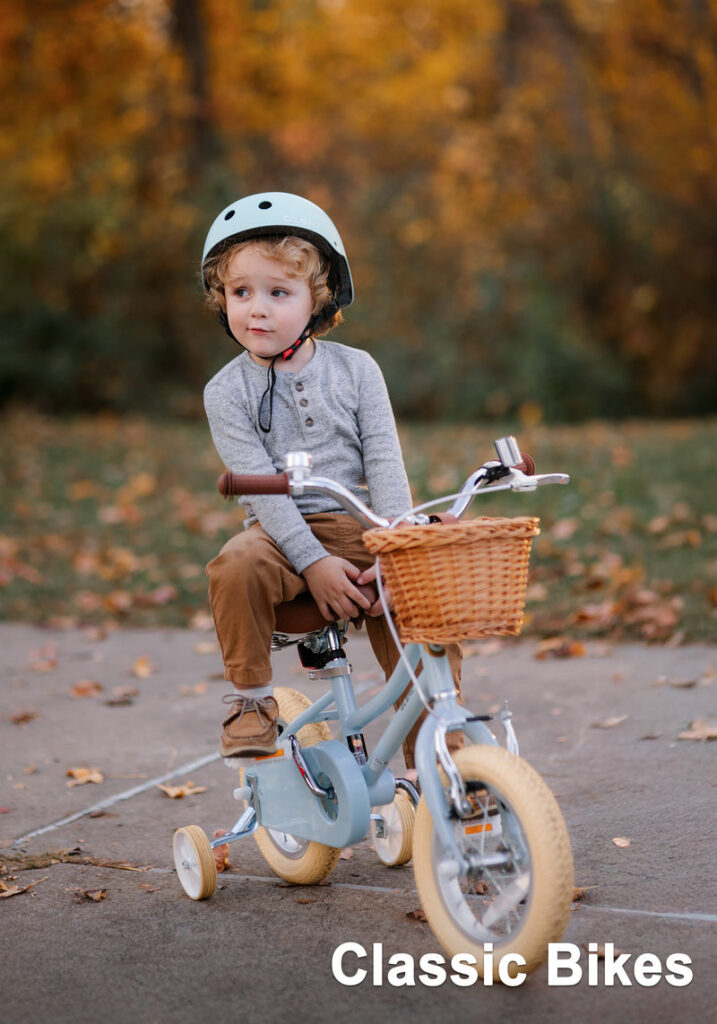
GLERC Bikes are designed with unique features that set them apart from other kids bike brands. Kids bikes are a weird category to shop for. Because on paper, they all look the same.
Same wheel size. Same “for ages 3 to 6” label. Same bright colors. Same training wheels in the photos.
Then the box arrives, you build it, your kid rides it for two weeks… and you realize the seat won’t go low enough, the brakes feel mushy, the bike is heavier than your child, and the whole thing just sort of fights them. They pedal like they are pushing through wet sand.
So when people ask what makes Glerc Bikes different from other kids bike brands, the honest answer is… a bunch of small decisions that add up to a very different experience. Not just for the kid, but for the parent building it and the parent jogging behind it hoping today is the day they finally coast for three seconds without panicking.
Let’s break it down.
Most kids bikes are built like toys. GLERC builds them like bikes
A lot of kids bikes are basically “toy-first”. Meaning they prioritize looking cute on a product page over riding well in real life.
GLERC tends to come at it from the other side. The ride comes first. The geometry, the components, the way the kid fits on it, how confidently they can stop. The looks are still there, but the bike feels like it was made by someone who actually watched a five year old try to start pedaling uphill.
That difference shows up in a few obvious places.
1. Kid focused geometry that actually fits real kids
Sizing charts are one thing. Actual fit is another.
A common issue with cheaper kids bikes is that the frame and seat range don’t match how kids are shaped. Some bikes technically “fit” by height, but the child ends up stretched out, toes barely touching, or sitting too high to feel safe.
GLERC bikes are usually designed with:
- A lower standover height so kids can straddle the bike without wobbling
- A kid-appropriate reach so they are not leaning forward like a tiny cyclist in a race
- A seat height range that works for beginners, not just confident riders
This matters a lot for confidence. A kid who can plant their feet and feel stable tries more things. A kid who feels like they are climbing onto a tall chair usually freezes.
And you end up carrying the bike home.
2. Lighter builds so kids can actually control the bike
Weight is a big deal. Like, bigger than most parents expect.
When a kids bike is too heavy, it affects everything:
- starting pedaling from a stop becomes hard
- turning feels slow and clunky
- braking feels scary because momentum is high
- lifting the bike over curbs becomes a two person job (kid plus parent)
One of the reasons GLERC gets brought up so often is that many of their bikes are built to feel manageable for smaller riders. Not “ultra featherweight pro level” necessarily, but noticeably easier for a kid to move around and steer.
And if you have ever watched a child try to pick up a toppled bike that weighs half as much as they do, you know why this is not a small detail.
3. Brakes that a kid can actually use on Glerc Bikes
This is one of those things you only notice when it’s bad.
Lots of kids bikes have brake levers that are stiff, far from the grip, and require strong hands. Little hands do not have strong hands. They have little marshmallow fingers.
GLERC bikes often focus on kid sized brake levers and more predictable braking. That usually means:
- levers that are reachable without shifting grip
- smoother pull that doesn’t require a death squeeze
- braking that feels consistent instead of grabby
And yes, sometimes the difference is just setup and adjustment. But starting with better components and kid friendly ergonomics makes setup easier, and the ride safer.
If a child cannot stop confidently, everything becomes stressful. They ride slower, they panic sooner, and you spend the whole time yelling “brake, brake, BRAKE” like it’s a movie scene.
4. Better “first bike” experience, especially with training wheels and transitions
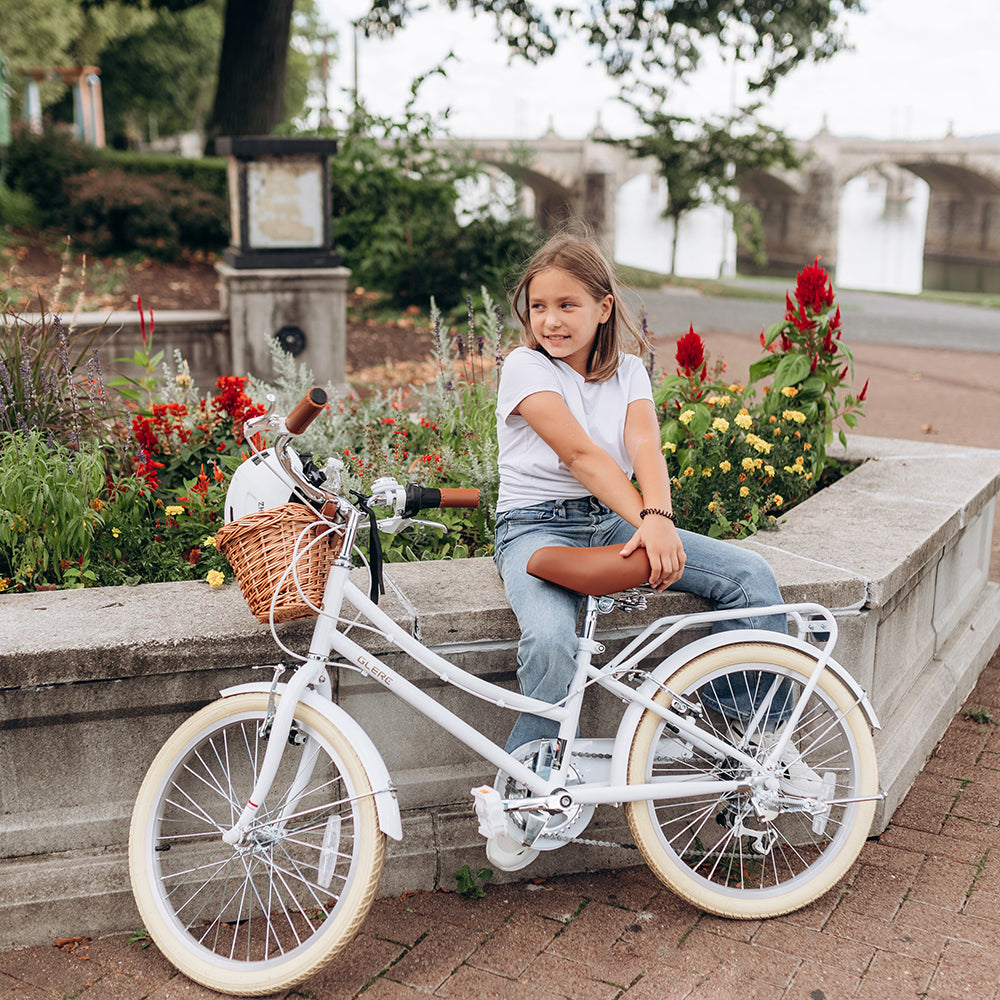
Training wheels are… controversial. Some parents love them, some parents avoid them, some parents swear balance bikes are the only way.
Whatever your approach is, most kids still need a smooth transition from “I sit on this thing” to “I can ride this thing”.
GLERC tends to design their kids bikes with that progression in mind. The bike feels stable. The fit is less awkward. The controls are more reachable. And for models that include training wheels, the overall setup is usually meant to reduce that weird side to side rocking some training wheel bikes have.
But the bigger point is this. When the bike is not fighting the kid, the kid learns faster.
And when the kid learns faster, you have fewer afternoons that end with tears and a bike thrown into the grass.
5. Details that reduce “parent headache” during assembly and ownership
If you have built enough kids bikes, you start to recognize the pain points immediately.
- instructions that don’t match the parts
- sharp edges where there shouldn’t be
- bolts that strip easily
- wobbly training wheels that never stay aligned
- seats that slip no matter how tight you clamp them
GLERC bikes usually try to feel more “thought through”. Not perfect, but like someone anticipated what goes wrong most often.
This is an underrated difference because parents are the gatekeepers of riding. If the bike is annoying, it gets used less. If it squeaks, loosens, or feels unsafe, it ends up parked in the garage.
A bike that stays solid and predictable tends to become the default choice for park trips, neighborhood loops, and the daily “can I ride my bike” request.
6. Design that kids actually get excited about, without going full plastic toy
Let’s be honest, kids care about vibe.
They want a bike that looks like theirs. Not something that feels like a hand me down, not something that looks like a generic big box store print job.
GLERC bikes often stand out with a more polished style. Colors that feel intentional, a cleaner look, and a “real bike” feel without turning into a mini road bike that only adults appreciate.
This matters because excitement fuels practice. If your kid loves their bike, they want to sit on it even when they are still learning.
And learning is basically just repetition plus confidence.
7. A focus on comfort, which changes how long kids ride
Comfort sounds like a luxury until you remember kids will quit instantly when something feels off.
If the grips hurt, they stop. If the saddle feels weird, they stop. If the posture feels unstable, they stop.
GLERC bikes often lean into kid comfort through:
- softer, more comfortable saddle shapes for short rides and learning sessions
- grips that fit smaller hands better
- geometry that doesn’t force the kid into an awkward lean
The payoff is longer rides, fewer complaints, and a kid who is more willing to try again tomorrow.
8. They are not trying to be everything to everyone
Some kids bike brands try to cover every possible category at once. Cheapest possible, flashiest possible, sold everywhere, and somehow also premium.
GLERC feels more focused. The brand seems to care about the “real life” family bike. Not the disposable bike you replace in a year because it was never quite right.
That focus usually shows up in the little stuff. The bike feels like it belongs in your house for a few years. Like something you might pass down.
So… are GLERC bikes “worth it”?
It depends on what you compare them to.
If your baseline is the absolute cheapest kids bike you can find, GLERC will probably feel like a step up in ride quality and overall experience. More confidence for the kid, less frustration for you.
If your baseline is the very high end performance kids bike market, GLERC may not be trying to compete on pure racing specs. And that’s fine. Most kids are not racing. They are learning, cruising, wobbling, and eventually trying to jump off curbs when you are not looking.
For most families, the “worth it” question comes down to this:
Do you want a bike that helps your kid learn faster, ride more often, and feel more in control?
That’s the lane where GLERC tends to stand out.
What I would check before buying any kids bike, GLERC included
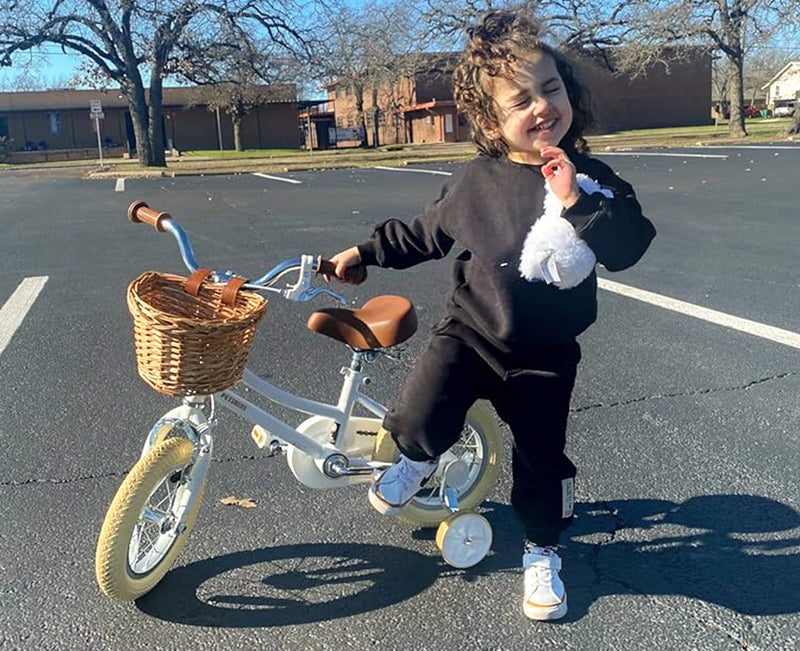
Just to keep it real, even great brands can be mismatched if you pick the wrong size or style.
Before you buy:
- measure your child’s inseam, not just height
- check minimum seat height, not just the size label
- decide whether you want coaster brake, hand brakes, or both
- think about where they will ride most. sidewalks, gravel paths, hills, flat streets
- prioritize weight and braking if your child is timid or small for their age
If your kid is between sizes, lean toward the smaller, easier to control option. In most cases, confidence beats “they will grow into it”.
FAQ: GLERC Kids Bikes
Are GLERC bikes good for beginners?
Yes, they are generally beginner friendly because of kid focused fit, manageable weight, and easier to use controls compared to many generic kids bikes.
Do GLERC bikes come with training wheels?
Some models do, depending on wheel size and specific product version. Always check the exact listing details for what is included in the box.
How do I choose the right size GLERC bike for my child?
Use inseam and minimum seat height as your primary guide, then confirm recommended age or height ranges. If your child is on the edge, choosing the smaller size often makes learning easier.
Are GLERC bikes lighter than typical kids bikes?
In many cases, yes. They tend to be built to feel more manageable for kids, which helps with starting, steering, and stopping.
Do GLERC bikes have hand brakes?
Many kids bikes in the GLERC range include hand brakes, and some sizes may include coaster brakes too. Brake setup varies by model and size, so check the specs before ordering.
Is GLERC better than a big box store kids bike?
Often, yes, mainly in ride feel, fit, and component quality. Big box bikes can work, but they are more hit or miss, especially around weight, brake usability, and long term sturdiness.
Can a GLERC bike be passed down to younger siblings?
Usually yes, as long as it is maintained and stored well. A sturdier frame and better components typically hold up better for hand me downs than ultra budget bikes.
Do I need to take a GLERC bike to a bike shop after assembly?
It is not required, but it can be a good idea if you are not comfortable adjusting brakes and checking bolt tightness. A quick safety check and brake tune can make any kids bike feel significantly better.
READ MORE: velextrics.com