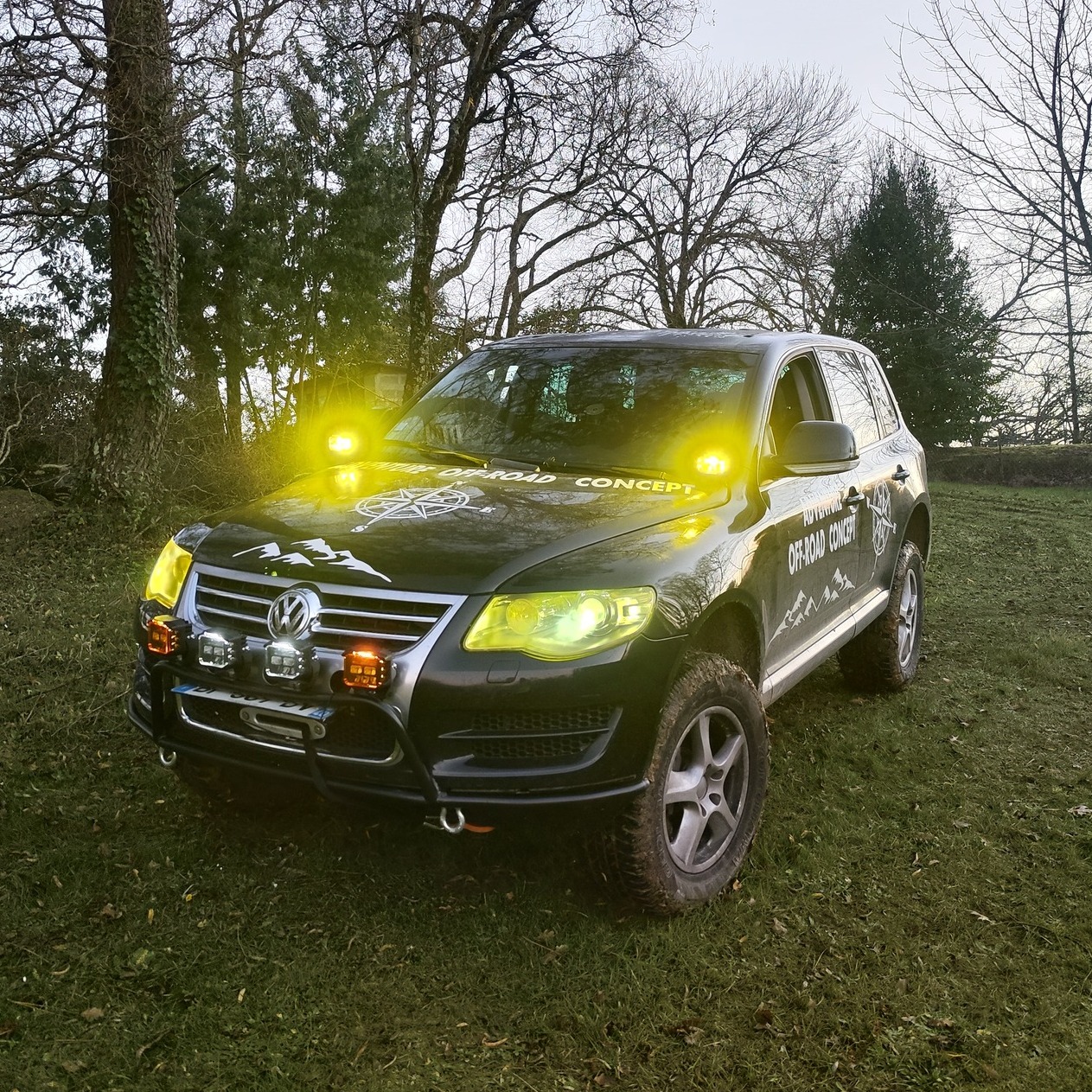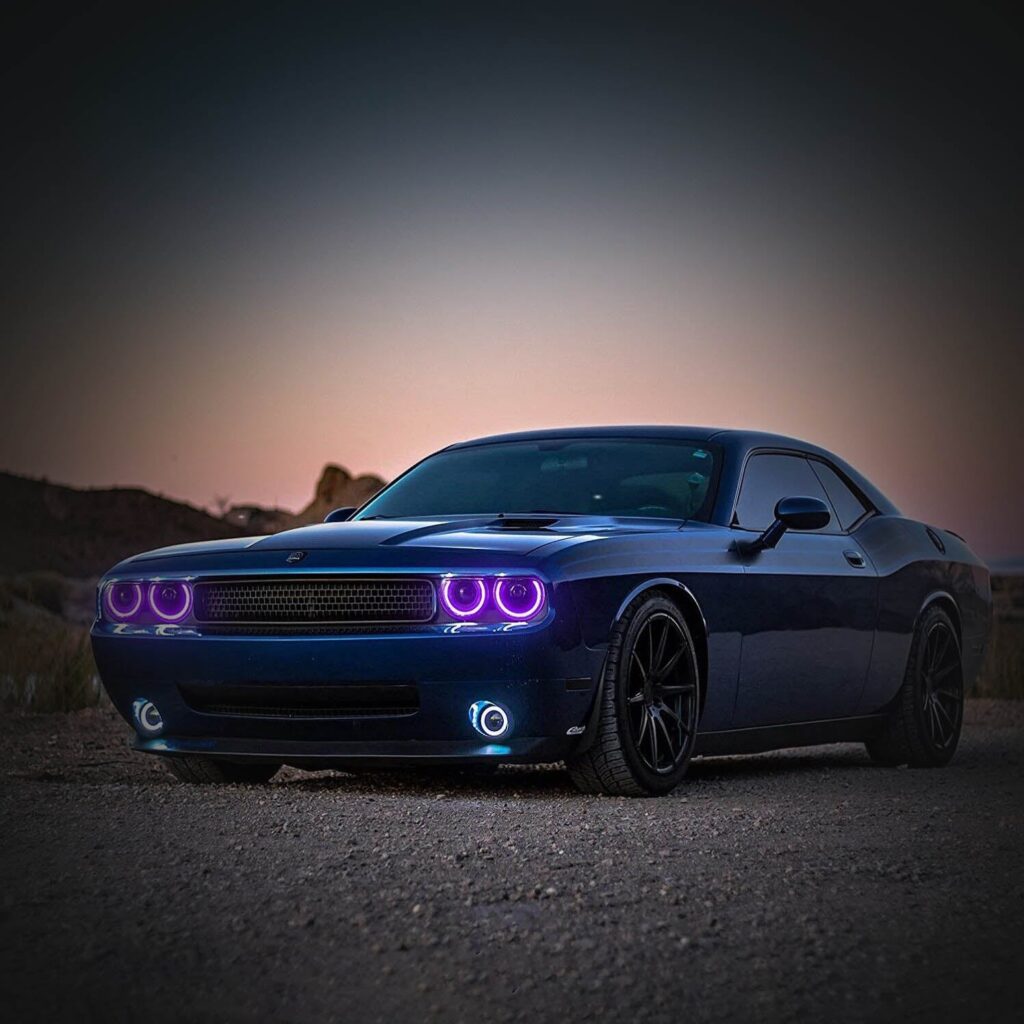
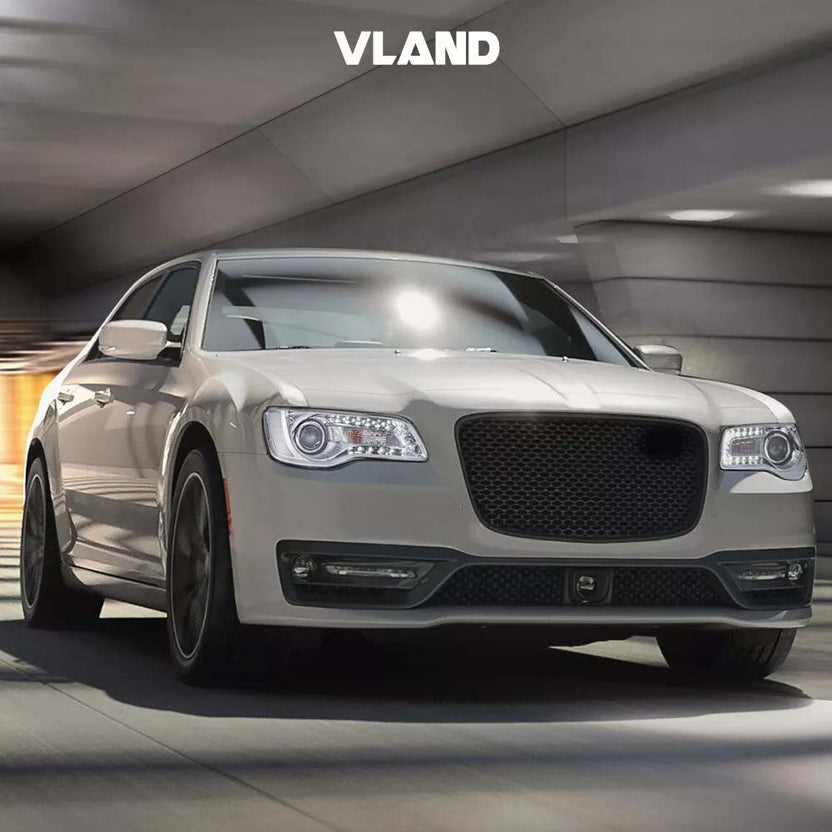
If you’re looking at VLAND headlights or tail lights, chances are you’ve already seen the photos. Super crisp LEDs. Sequential turn signals. That whole modern, almost OEM-plus look.
Then you land on a site that looks like “Vland US” or “VLAND USA” and the question hits you. Is this actually legit, or is it one of those half real, half sketchy sites that disappears when you need a warranty?
This is the kind of purchase where you don’t just lose twenty bucks. You’re dropping real money on parts that need to fit, seal, not fog up, and ideally not throw errors all over your dash.
So let’s slow down and walk through what “legit” should mean here, what VLAND is, what Vland US might be (and might not be), and how to protect yourself before you click Buy.
First, what is VLAND?
VLAND (often written as Vland) is a known aftermarket lighting brand. They’re popular for:
- LED projector headlights
- LED tail lights with sequential signals
- “Start-up animations” and modern light signatures
- Vehicle specific housings for common platforms (Honda, Toyota, BMW, etc.)
They’re not a tiny unknown operation in the sense that people genuinely install their lights and post real reviews, YouTube installs, forum threads, all of that.
But. And this is important.
Aftermarket brands like this often get sold through multiple channels:
- Their own official global site (sometimes)
- Regional distributor sites (US, UK, EU)
- Amazon and eBay storefronts
- Third-party auto lighting shops
- Marketplace sellers who just resell inventory
So the fact that you’re seeing “Vland US” doesn’t automatically mean scam, and it also doesn’t automatically mean official.
It means you need to verify what you’re actually buying from and what you’re actually getting if something goes wrong.
What people usually mean by “legit”
When someone asks “Is Vland US legit?” they usually mean a few different things at once:
- Will I actually receive the product?
- Is it genuine VLAND, not a clone or used return?
- Are the photos and specs real, or exaggerated?
- What happens if it arrives damaged, doesn’t fit, or fails later?
- Is there any real warranty support, and who honors it?
A store can be “legit” in the sense that it ships you something. And still be a nightmare the moment you need help. That’s why buyers get burned.
So I’m going to focus on checks that matter in real life, not vague stuff like “the website looks professional.”
The big thing to understand: “Vland US” could be one of three scenarios
Here’s the honest breakdown.
Scenario 1: It’s an official regional storefront
Some brands operate separate sites for the US market with local shipping and support. If that’s the case, it’s usually a good sign because:
- Shipping is faster
- Returns are more straightforward
- Warranty claims don’t require international back-and-forth
But you still want proof it’s actually official.
Scenario 2: It’s an authorized distributor or reseller
This is very common. A shop can be completely legitimate and still not be the manufacturer. They buy stock wholesale and sell it under a “US” branded site.
That can be fine, sometimes even better than ordering direct, but it depends on how they handle:
- defective units
- missing parts
- condensation issues
- replacements under warranty
A reseller might say “1-year warranty” but then make you jump through hoops or blame installation.
Scenario 3: It’s an unaffiliated site using the brand name for SEO
This is the riskier one. Sites pop up that heavily use a brand name, sometimes even “US” or “Official” language, but they are basically:
- drop-shippers
- gray market resellers
- or just opportunistic storefronts
You might still receive lights. But support can be inconsistent, and returns can become a mess. Sometimes the “warehouse” is overseas even if the site claims US shipping.
So, don’t guess. Verify.
How to verify if Vland US is legit (practical checks)

These are the checks that actually tell you something.
1) Look for clear company identity and contact details
A legit seller should have:
- A physical business address (not just a contact form)
- A working phone number or at least a responsive support email
- A real “About” page that doesn’t read like copied template text
- Business name that matches checkout receipts and payment descriptor
If you can’t figure out who you’re paying, that’s already a problem.
2) Check the domain age and history
A brand new domain isn’t automatically bad, but it raises the bar. If a site was registered last month and is already calling itself “official,” be cautious.
You can use tools like:
- ICANN WHOIS lookup
- Domain age checkers
If the site is very new and also has aggressive discounts, that combo is where people get into trouble.
3) Compare pricing against normal market pricing
VLAND lights aren’t cheap, and deep discounts happen, but there’s a difference between:
- normal promo pricing
- “too good to be real” pricing
If you see something like 50% to 70% off on multiple popular SKUs, especially with a countdown timer, that’s usually a red flag.
A legit distributor might run a sale. A sketchy site runs a permanent “sale.”
4) Confirm the exact product model and what’s included
This is a sneaky one.
Some listings are vague on purpose, like:
- not specifying if it’s halogen to LED conversion
- not mentioning if it includes bulbs/ballasts
- not specifying if it’s compatible with OEM LED packages
- not clarifying whether it supports AFS or DRL functions
If the listing doesn’t clearly state what trim levels it fits, what harness is included, and what features are supported, you could end up with lights that technically arrive, but don’t work cleanly on your car.
5) Look for a real return policy, not just “returns accepted”
Read it like you’re already mad and trying to return a defective set.
A buyer-friendly policy usually states:
- return window (example: 30 days)
- condition requirements
- who pays return shipping
- restocking fees (if any)
- how they handle defective products vs buyer remorse
- what happens if the box is damaged on arrival
If it’s vague or it says “contact us for returns” with no structure, that can turn into endless emails.
6) Warranty language matters a lot with headlights and tail lights
Aftermarket lights fail in a few predictable ways:
- condensation or water intrusion
- LED strip sections dying
- sequential modules glitching
- DRL flicker
- internal ballast issues (for HID style setups)
- mounting tabs cracking in shipping
A strong warranty policy will explain:
- how to file a claim
- what proof is needed (photos, videos)
- whether they ship replacement parts or require full return
- whether they cover labor (usually no, but they should say it)
- whether modification voids coverage
If it’s basically “we offer warranty, trust us,” that’s not enough.
7) Payment methods tell you a lot
The safest way to buy is with payment protection:
- Credit card (best for chargeback options)
- PayPal Goods and Services
Be cautious if the only options are things like:
- bank transfer
- crypto
- weird manual invoice flows
If a seller is legit, they should be comfortable taking normal protected payments.
Common buyer complaints with aftermarket lights (not just VLAND)
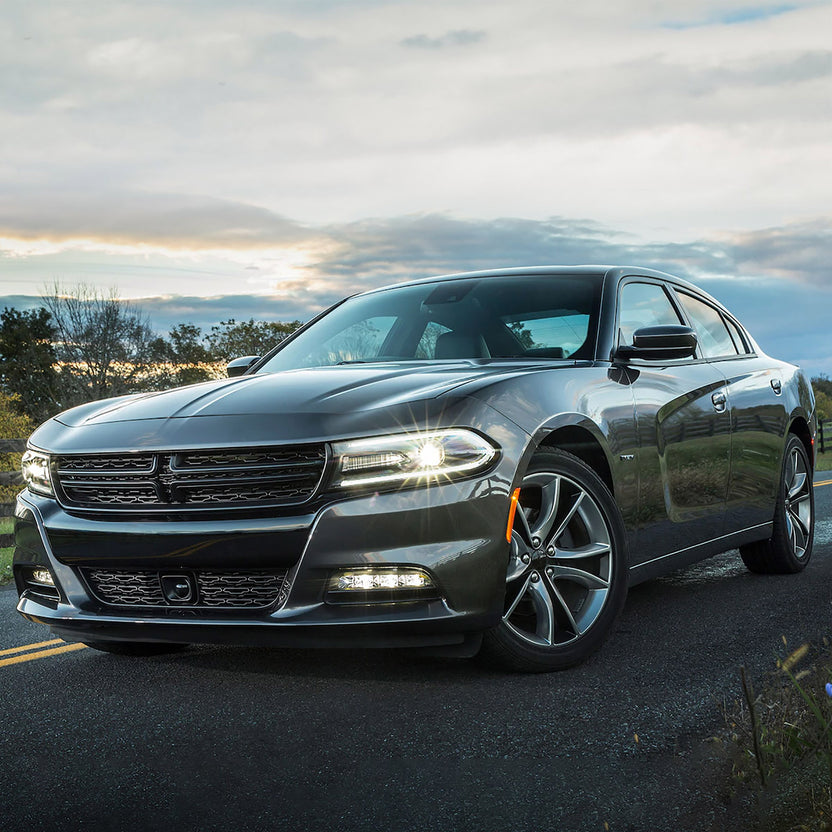
Even if Vland US is legit, you should know what people complain about most with this category. Because it helps you set expectations.
Fitment can be 90% perfect and still ruin your day
Headlights and tail lights are not phone cases. “Almost fits” means:
- uneven panel gaps
- mounting points under stress
- cracked tabs later
- moisture issues because the seal is slightly off
If you’re not comfortable test fitting and adjusting carefully, budget for a shop install. Or choose a seller with painless returns.
Condensation is the #1 issue people panic about
Some condensation can happen temporarily with temperature changes. But if you get standing water, visible droplets that don’t go away, or repeated fogging, that’s usually a seal or venting issue.
And here’s the annoying part. Sellers sometimes blame:
- “improper installation”
- “pressure washing”
- “humidity”
Sometimes that’s true. Sometimes it’s a manufacturing defect. Either way, the return and warranty policy is what decides whether you’re stuck.
Error codes and hyperflash can happen
Depending on the vehicle, you might need:
- resistors
- CANbus adapters
- coding (especially on some European platforms)
A good seller will at least mention this in the listing or FAQ. A bad one pretends it’s always plug-and-play.
Light output can be different than you expect
A lot of buyers purchase based on looks, which is fair, but you should also care about beam pattern and cutoff.
If you drive a lot at night, check for:
- projector quality
- hotspot placement
- cutoff sharpness
- glare potential
Some aftermarket housings look incredible and perform “okay.” Just know what you’re prioritizing.
How to tell if you’re buying genuine VLAND
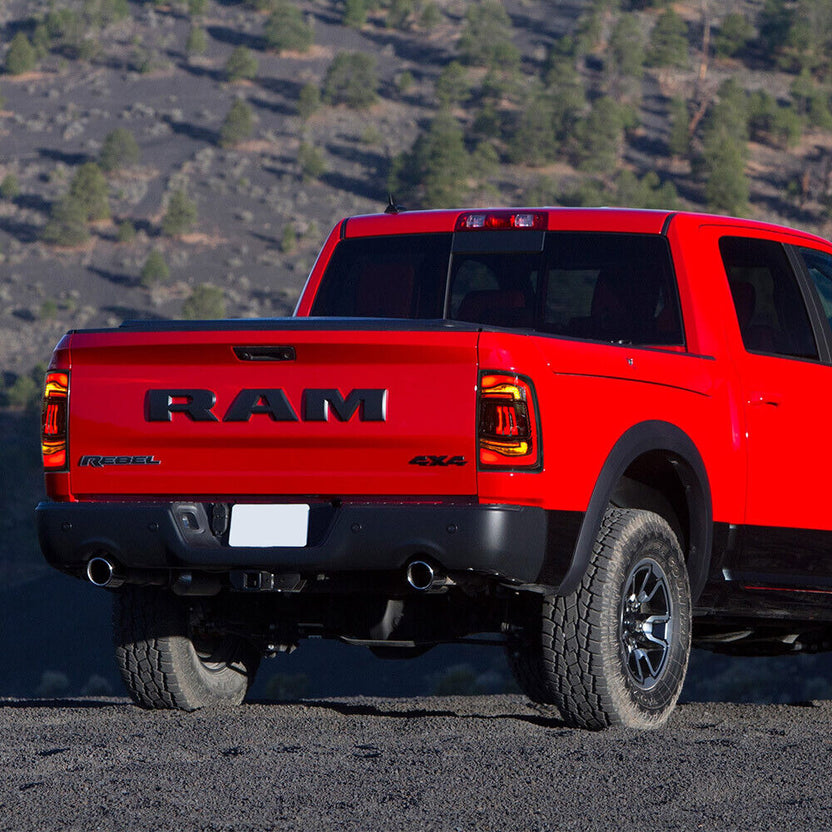
Because yes, clones and lookalikes exist.
Here’s what typically helps:
- Proper branded packaging
- Matching part numbers or SKU labeling
- Consistent product photos across reputable sellers
- Reviews that include real unboxing and install shots
- Seller provides serial or verification method (not always available, but if they do, it helps)
Also, if you’re buying through marketplaces, check the seller rating and return history. A “VLAND” title on a listing does not guarantee authenticity.
Amazon, eBay, or Vland US site? What’s actually safer?
This is one of those situations where “official” isn’t always the easiest option.
Buying from Amazon
Pros:
- strong return system (usually)
- faster shipping
- easier refunds if damaged
Cons:
- risk of mixed inventory, returns, or wrong item shipped
- marketplace seller quality varies
If you do Amazon, buy from a reputable seller profile and document everything on arrival.
Buying from eBay
Pros:
- good buyer protection if you follow the rules
- you can check seller feedback deeply
Cons:
- more variation in stock source
- some sellers disappear and reopen accounts
Buying from a dedicated Vland US storefront
Pros:
- sometimes best pricing
- sometimes best availability
- possibly better support if they’re truly authorized
Cons:
- returns can be harder than Amazon
- support quality is unknown until you need it
So the “best” option depends on how risk-averse you are. If you want the lowest hassle path, buyer protection matters more than saving $40.
What you should do before buying (quick checklist)
If you want the simplest way to protect yourself, do this in order.
- Screenshot the listing (price, included parts, warranty claim, compatibility).
- Confirm your exact trim (OEM halogen vs OEM LED, year ranges, facelift vs pre-facelift).
- Read the return policy like you’re returning a defective item.
- Pay with a credit card or PayPal Goods and Services.
- On delivery, record an unboxing video (seriously, do it).
- Inspect for cracks, broken tabs, moisture, loose internal parts.
- Test functions before fully reinstalling everything (DRL, turn, brake, reverse, sequential, etc.).
That unboxing video alone has saved a lot of people. Shipping damage disputes become much easier when you have proof.
Signs Vland US is probably fine (green flags)
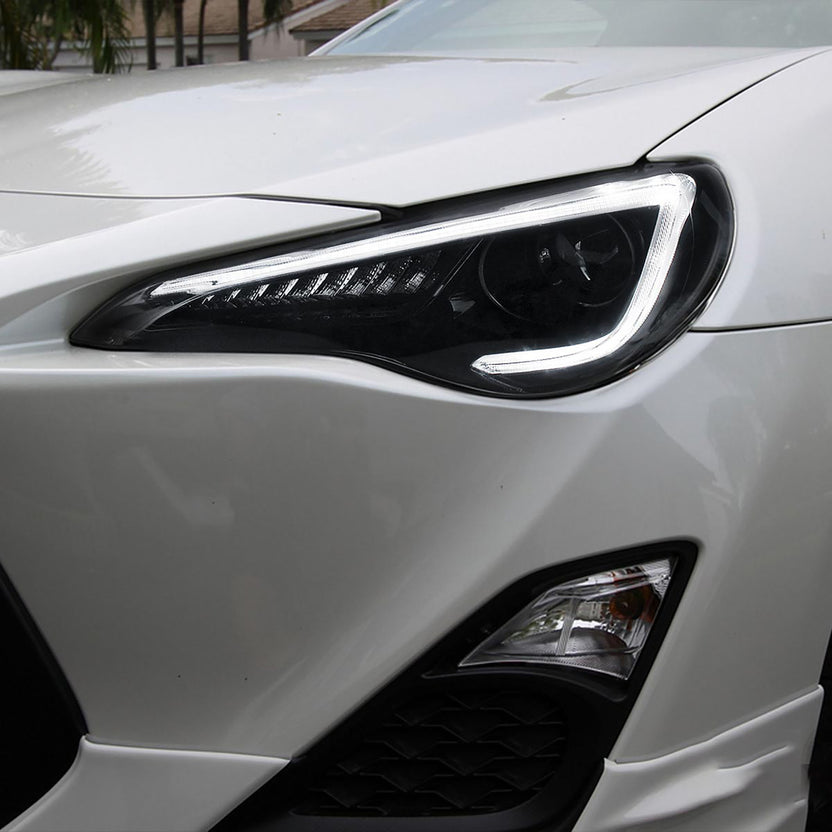
If you’re trying to make a decision fast, these are good signs:
- Clear business identity and contact info that works
- Normal pricing consistent with other reputable sellers
- Detailed fitment notes and install guidance
- Real reviews with buyer photos (not just generic star ratings)
- Reasonable return policy with clear steps
- Secure checkout with standard payment methods
- No weird pressure tactics (constant popups, fake timers, “only 2 left” on every item)
One or two missing doesn’t mean scam. But the more green flags you see, the more comfortable you can be.
Signs you should not buy (red flags)
These are the patterns that show up in bad storefronts.
- Massive discounts that never end
- Copy-pasted product descriptions full of awkward errors
- No real address, no real customer support trail
- Only contact method is a form, no phone, no support hours, no ticketing
- Policy pages that look templated and vague
- Social links that go nowhere or to brand new pages with no activity
- Checkout redirects that feel off or inconsistent
- They claim “US warehouse” but shipping estimates look international
And a big one. If you search the company name plus “reviews” or “return” and all you find are complaints about refunds, missing deliveries, or support ghosting, take that seriously.
If you already ordered and you’re nervous
You’re not stuck. Do a few things immediately.
- Save your order confirmation, invoice, and any emails.
- If it hasn’t shipped, email support asking to confirm ship-from location and return eligibility.
- If it shipped, track it and document delivery condition.
- Do not throw away packaging until you’re sure you’re keeping the lights.
- If anything is wrong, contact them fast and keep everything in writing.
If support doesn’t respond within a reasonable time window and you paid via PayPal or credit card, you still have dispute options. Just don’t wait too long.
So, is Vland US legit?
It can be. The name itself doesn’t prove anything either way.
VLAND as a brand is real and widely purchased, but “Vland US” might be:
- an official regional site,
- an authorized reseller,
- or an unaffiliated storefront using the brand name.
The only way to know which one you’re dealing with is to check the signals that matter: company identity, policies, payment protection, and buyer experiences.
If you do those checks and everything lines up, buying from a Vland US site can be a totally normal purchase. If you see red flags, you’re better off buying through a platform with stronger buyer protection or a known retailer, even if it costs a little more.
Because with headlights and tail lights, you’re not just buying the product. You’re buying the return policy.
FAQs (Frequently Asked Questions)
What is VLAND and why are their headlights and tail lights popular?
VLAND is a well-known aftermarket lighting brand popular for LED projector headlights, LED tail lights with sequential signals, start-up animations, and modern light signatures. They offer vehicle-specific housings for common platforms like Honda, Toyota, and BMW, providing a modern, almost OEM-plus look.
Is ‘Vland US’ an official or legitimate source to buy VLAND lights?
‘Vland US’ could be one of three scenarios: an official regional storefront with local shipping and support; an authorized distributor or reseller selling genuine products but not the manufacturer; or an unaffiliated site using the brand name for SEO which may be riskier. It’s important to verify the legitimacy before purchasing.
How can I verify if a ‘Vland US’ website is legit before purchasing?
To verify legitimacy, check for clear company identity including physical business address and contact details; examine the domain age and history using tools like ICANN WHOIS; compare pricing against normal market prices to avoid deals that seem too good to be true; and confirm exact product models and inclusions to ensure compatibility and completeness.
What should I consider regarding warranty and support when buying VLAND lights from third-party sellers?
Warranty support varies by seller. Authorized distributors may offer warranties but might require you to handle issues like defective units or replacements through them. Unaffiliated sites might provide inconsistent support or complicated return processes. Always confirm who honors the warranty and how claims are handled before buying.
Why is it risky to buy VLAND lights from sites that heavily discount prices or have new domains?
Sites offering deep discounts (50%-70% off) combined with very new domains often indicate potential scams or gray market resellers. These sites might not provide genuine products or reliable support. Aggressive permanent sales on brand-new sites are red flags that should prompt caution.
What should I expect in terms of product quality and fit when purchasing VLAND headlights or tail lights?
VLAND parts need to fit properly, seal correctly to prevent fogging, and ideally not trigger error messages on your dashboard. Genuine products come with accurate photos, specs, and vehicle-specific designs. Buying from verified sources helps ensure you receive quality parts that meet these standards.
READ MORE: velextrics.com