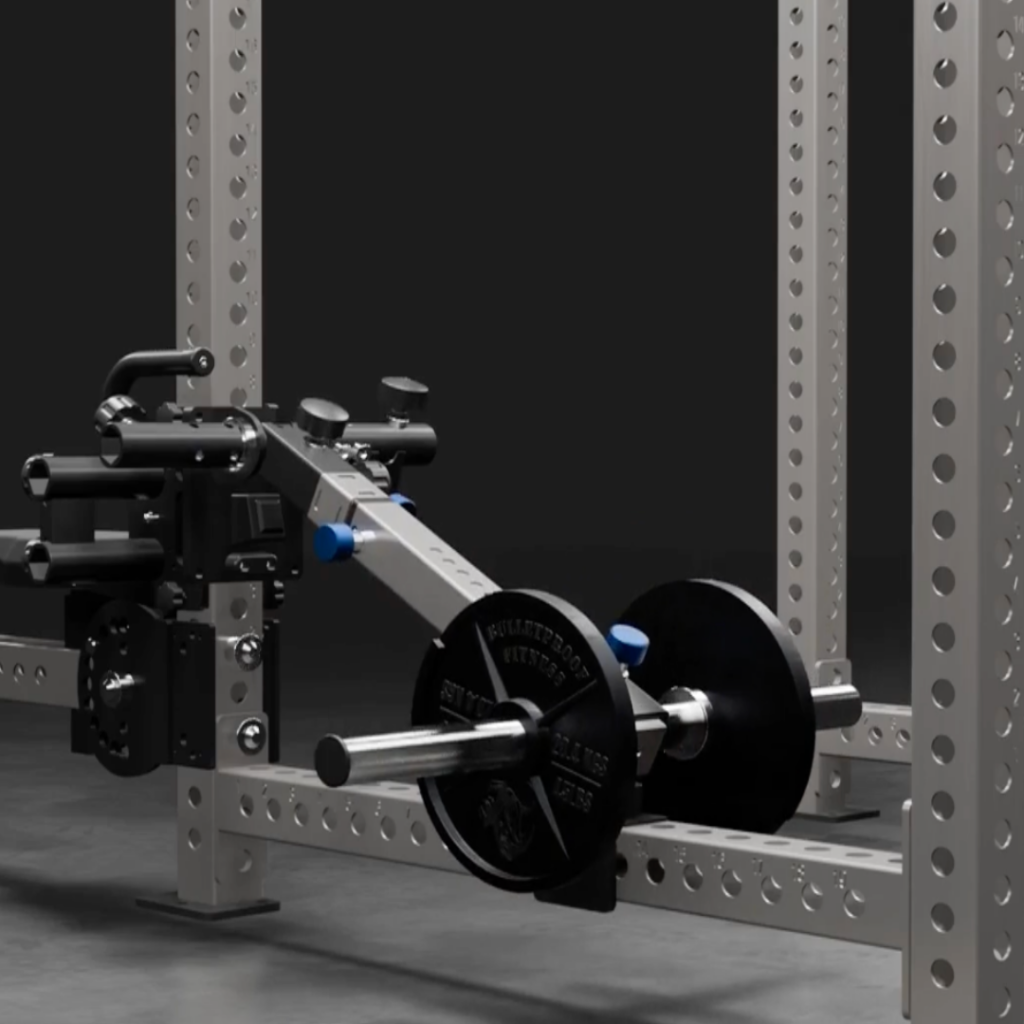
I’ve bought cheap gym gear before, but I’ve learned that investing in quality items is essential for achieving my goals at Bulletproof Fitness. We all have.
That wobbly bench that felt fine on day one and then slowly started rocking like a diner table. The resistance bands that “mysteriously” snapped mid rep. The pulley system that sounded like a shopping cart with one bad wheel. And the worst part is not even the money. It’s the friction.
When equipment annoys you, you use it less. You train around it. You stop trusting it. And you start thinking the problem is you, when really it’s the gear.
So. Bulletproof Fitness.
If you’ve been seeing their stuff all over Instagram and YouTube, you’re not imagining it. Their products are loud in the best way. Heavy duty. Overbuilt. Clean design. And priced like they know it.
The real question is not “is it good?” It’s “is it worth paying extra for it?” And the honest answer is… it depends. But it’s not a cop out. It actually depends on a few very specific things, like what you train for, how often you train, what you already own, and whether you’re the kind of person who keeps equipment for a decade.
Let’s break it down like a normal human would.
What “Bulletproof” even means in this context
Bulletproof Fitness Equipment as a brand is basically aiming at one theme.
Make the weak links go away.
A lot of home gym equipment fails in predictable places. Cheap welds, thin steel, mediocre bearings, sloppy tolerances, straps and buckles that feel like they belong on luggage. Bulletproof’s positioning is that they build products that can take abuse, feel solid under load, and solve common training pain points.
They also do something smart. They design a lot of their gear around joints. Knees. Elbows. Shoulders. Hips. Stuff that starts barking once you train long enough.
So instead of selling “another curl bar” they sell a tool that’s supposed to make curls feel better, hit the target muscle harder, and reduce the chance you quit the movement entirely because your elbows hate you.
That’s the vibe.
The price reality (because yes, it’s expensive)
Let’s not pretend price doesn’t matter. It does.
Bulletproof equipment often costs more than the Amazon alternatives, more than a lot of big box “home gym” brands, and sometimes more than what you’d expect even for premium accessories.
But there’s a reason higher end equipment exists. Not because the fitness industry loves taking your money. It’s because making gear that feels smooth, aligns well, holds up, and doesn’t degrade after a year is genuinely more expensive.
You pay for things like:
- Thicker steel and better structural design
- Better bearings or bushing systems in moving parts
- Tighter manufacturing tolerances so pieces fit and track properly
- Better coatings and finishes so rust and wear show up slower
- Design that considers ergonomics, not just “does it technically work?”
Still. Paying more is only smart if it actually changes your training in a meaningful way. That’s the bar.
Who Bulletproof is best for (and who it isn’t)
This is where most reviews get fuzzy. So I’m going to be blunt.
Bulletproof is usually worth it if you are…
Training consistently for the long haul.
If you lift 4 to 6 days a week and you’ve been doing that for years, you’re not buying equipment for “motivation.” You’re buying it because you’re going to use it. A lot. Premium gear has time to pay you back.
Dealing with joint pain or recurring irritation.
This is a big one. If certain movements light up your elbows or shoulders, a better designed attachment can be the difference between progressing and constantly swapping exercises.
Running a home gym that replaces commercial equipment.
If your garage gym is your real gym, reliability matters more. You want stuff that doesn’t wobble, doesn’t slip, doesn’t feel sketchy when you go heavy.
Someone who hates clutter and loves multi use pieces.
Some Bulletproof products are built to cover multiple angles or functions. That matters if you don’t want 30 random attachments on a wall.
A trainer, coach, or facility owner.
Commercial use destroys cheap accessories fast. If multiple people use your equipment daily, durability stops being a luxury.
Bulletproof is probably not worth it if you are…
New to lifting and still figuring out what you even like.
If you don’t know whether you’ll stick with training, don’t buy premium niche equipment yet. Get the basics. Prove consistency first.
On a tight budget where the same money could buy core essentials.
If you still need plates, a barbell, a rack, adjustable dumbbells… buy those first. Always.
Chasing novelty instead of solving a real training problem.
If you’re buying an attachment because it looks cool, pause. Cool doesn’t build muscle. Good training does.
The real value: performance, comfort, and consistency
Here’s the thing. The “worth it” factor is rarely about the equipment lasting longer. Most decent gear lasts. Even mid range.
The real value is this:
Does it make you train better, more often, with less friction?
That’s it. That’s the whole game.
If a better attachment makes rows feel smooth and locked in, you might actually row hard instead of half rowing and calling it “back work.” If a better handle makes pressing feel stable and pain free, you might press more. If a product reduces joint irritation, you might train consistently for another year without getting derailed.
That’s where the ROI comes from. Not resale value. Not aesthetics. Training momentum.
What Bulletproof Fitness tends to do well (general strengths)
Even if we don’t name every single product, Bulletproof gear tends to have a few recurring advantages.
1) It feels overbuilt, in a good way
You know when you pick something up and it just has that weight and solidity? That’s what people mean.
Overbuilt equipment usually has less flex, less wobble, less rattling. That matters more than people admit, especially on cable movements where the “feel” can decide whether you actually get a good contraction or just move weight around.
2) Better biomechanics than generic attachments
A lot of standard cable attachments are… fine. They’re fine because they’ve existed forever and they’re cheap to produce.
But small changes in grip angle, handle spacing, rotation, and range of motion can drastically change how a movement feels on your joints. Bulletproof leans into that. They’re trying to build attachments you want to use for years, not just tolerate.
3) Thoughtful options for pain points
Elbows are common. So are shoulders. And a lot of lifters get stuck because their tendons hate straight bars, fixed grips, or harsh angles.
If you’ve ever thought, “I love training back but rows bother my elbows,” or “pressing is fine but my shoulders don’t like the bottom position,” you’re the person these products are aimed at.
4) Finish and details are usually premium
This matters less for gains, but it matters for ownership.
Better knurling where it should be. Better coating. Hardware that doesn’t feel like it came from a drawer of spare parts. Smooth edges. Stuff that makes you feel like you bought something legit.
It’s not just vanity. Details are often where cheaper equipment fails first.
Potential downsides (because there are some)
If you only read hype, you’ll miss the tradeoffs. So here they are.
1) Diminishing returns are real
A premium attachment might feel 15 percent better than a decent one. But it might cost 2 to 3 times more.
If you’re expecting a night and day transformation, you might be disappointed. The improvement is often subtle but important. Like going from “this is annoying” to “this feels right.”
That’s not sexy. But it’s real.
2) Not every piece will match your setup
Home gyms are weird. Rack sizes vary. Cable heights vary. Carabiners, pulley positions, cable travel, everything.
Some attachments shine in a commercial cable stack but feel less perfect on a compact home cable system with limited height or awkward angles. That’s not Bulletproof’s fault, but it affects your experience.
Before buying, think about how you will actually use it. Where it will hang. What movements you’ll do. Whether your cable line will be clean.
3) You might end up buying “solutions” you don’t need
This is the sneaky one.
Premium equipment is fun to buy. It feels like progress. But it’s not training. If you’re still inconsistent, buying more stuff is rarely the fix.
If you already have an attachment that works and doesn’t bother you, a premium replacement might not change much.
4) Heavy duty can be less convenient
Overbuilt often means heavier. Bigger. Sometimes more awkward to store. Not always, but sometimes.
If you want lightweight and quick setup, especially in small spaces, that can matter.
A practical way to decide if it’s worth it for you
If you want a simple framework, use this.
Step 1: Identify the movement you avoid (and why)
Is it rows because your elbows hate you? Triceps because every attachment feels wrong? Squats because your knees don’t like certain patterns?
If Bulletproof has a tool that directly solves a real problem, it’s more likely worth it.
Step 2: Estimate usage frequency
How many sets per week will you realistically use this piece?
If the answer is “maybe once every two weeks,” don’t buy premium. If the answer is “every week, multiple sessions,” now we’re talking.
Step 3: Compare against a mid tier alternative, not the cheapest
Don’t compare Bulletproof to the $19 attachment with questionable welds. Compare it to a solid mid tier option.
If the price jump is still worth it to you after that comparison, you’re making a more rational decision.
Step 4: Decide if pain reduction is part of the value
If a product helps you train pain free, that is worth a lot. More than most people calculate.
Missing training blocks because of tendon flare ups is expensive too, just not in a checkout cart.
The investment angle: cost per use beats sticker price
Here’s a quick example that makes this whole thing make sense.
Say you buy a premium attachment for $200. You use it twice a week for 3 years. That’s about 300 uses.
$200 / 300 = $0.67 per session.
And that’s assuming you stop using it after 3 years, which a lot of people won’t.
This is why serious lifters buy good stuff. Not to flex. Because good equipment gets used. A lot. The math changes when you actually train consistently.
So is Bulletproof Fitness Equipment worth it?
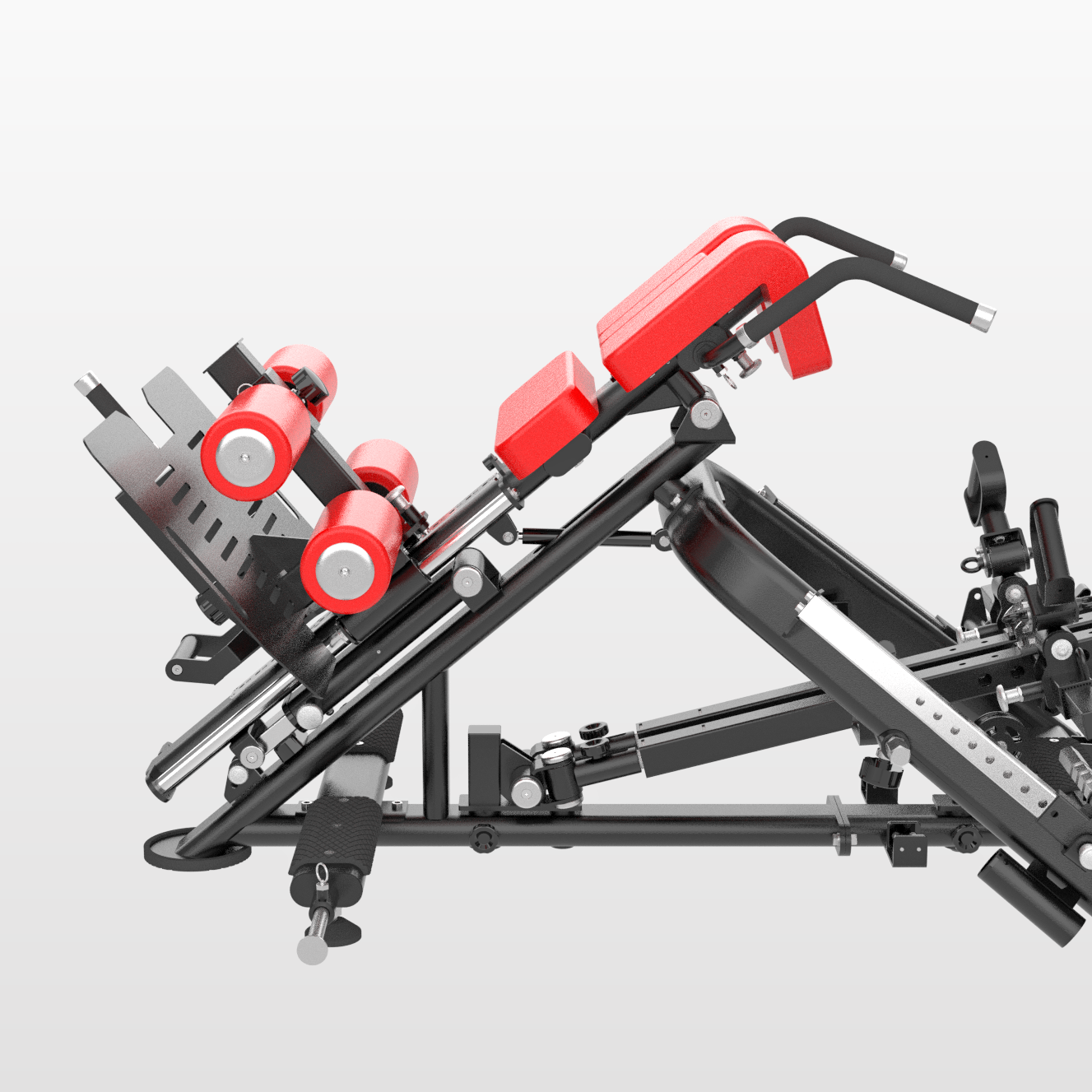
For most people, the honest answer is:
It’s worth it when it solves a real training problem or becomes a high use staple in your program.
Not worth it when it’s just a shiny upgrade to something you already tolerate fine.
If you are building a home gym you plan to use for years, you care about how movements feel, and you want to reduce joint irritation and friction, Bulletproof is one of the better places to spend money on accessories. You probably won’t regret it.
If you are still in the phase of collecting basics, or your training isn’t consistent yet, put that money into fundamentals. Barbell. plates. rack. bench. a good cable system. Then circle back.
Because premium attachments on a mediocre setup is kind of backwards.
FAQ: Bulletproof Fitness Equipment
Is Bulletproof Fitness Equipment good quality?
Yes. In general, Bulletproof has a strong reputation for durable builds, solid finishes, and equipment that feels stable and well engineered compared to generic attachments.
Is it worth buying Bulletproof equipment for a beginner?
Usually not at the start. Beginners get more value from basic equipment and consistent training. Bulletproof becomes more “worth it” once you know what movements you do often and what problems you need to solve.
Does Bulletproof equipment help with joint pain?
It can, depending on the issue. Many of their designs focus on more joint friendly angles and better ergonomics, which can reduce irritation for some lifters. It’s not medical treatment, but it can make certain exercises more tolerable.
How do I choose the right Bulletproof product?
Start with the exercise you do most and the one that causes the most discomfort or frustration. Pick equipment that directly improves those movements, not something you’ll use occasionally.
Is Bulletproof better than cheaper Amazon attachments?
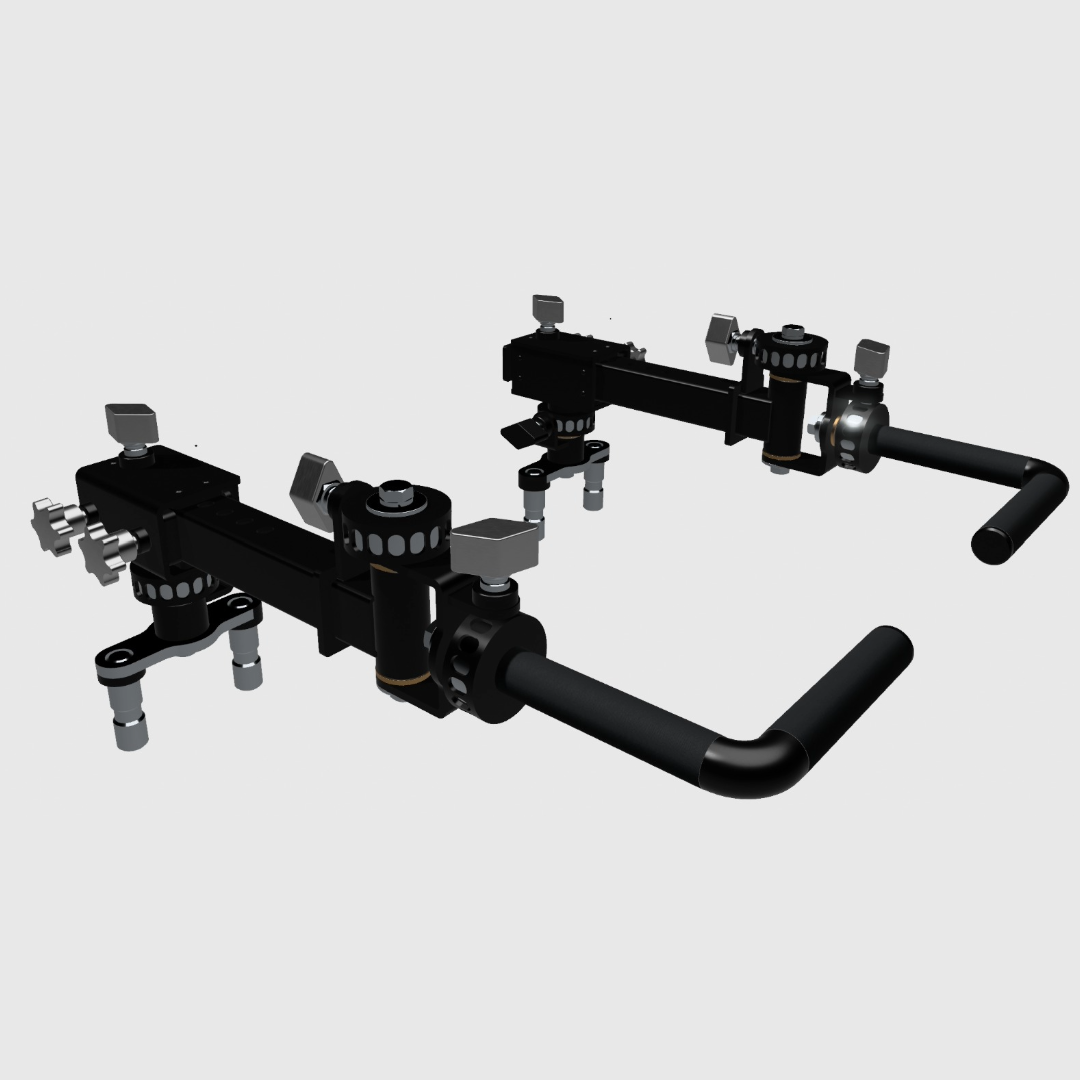
Often yes in feel, durability, and design details. But the difference may be incremental, not magical. If you train frequently, that incremental improvement can be worth the cost.
Does Bulletproof Fitness equipment work in a small home gym?
Mostly yes, but check dimensions and how your cable system is set up. Some premium, heavy duty attachments can be larger and may feel best with proper cable alignment and enough space.
Can Bulletproof equipment replace multiple attachments?
Some pieces can, depending on your training style. If you value fewer tools that do more, prioritize multi use attachments and avoid buying niche pieces you’ll only use for one movement.
What is the biggest reason people regret buying premium gym accessories?
Buying them too early or buying for novelty. If it doesn’t get used weekly, it tends to feel like a waste even if the product itself is excellent.
Check it out here: velextrics.com