A quick heads-up: this isn’t just a “watch review” (it’s a risk-free buying window)
Buying a luxury wristwatch online, such as those offered by Atolio Vegas, usually comes with the same quiet stress: What if it looks different in real life? What if it doesn’t fit? What if the return process is messy? What if shipping is slow, expensive, or unreliable?
That’s exactly why the current Atolio Vegas offer matters in plain language:
- Free worldwide shipping
- 60-day returns
Those two things sound simple, but in the luxury-watch world they remove a big chunk of the risk—especially if you’re ordering internationally, buying a gift, or making your first “nice watch” purchase.
In this post, I’m not going to do the typical hypey “this watch changed my life” routine. Instead, I’ll walk you through:
- What you’re actually getting with Atolio Vegas watches
- Who they’re genuinely for (and who should skip them)
- How to use the 60-day return window like a smart at-home trial
- What “free worldwide shipping” usually means in practice (tracking, carriers, handoffs, timing)
- How to maintain your watch—water resistance, cleaning, storage, scratches, servicing—so it still looks great years from now
And yes: I’ll directly address the stuff people worry about most when buying a watch online—fit, quality, water resistance, returns, and shipping reliability—without overpromising anything that depends on carriers or individual usage.
Why Atolio Vegas is getting attention right now
Atolio Vegas is getting traction for a very specific reason: it’s positioned as a style-forward luxury wristwatch experience without the usual friction.
The friction is what normally kills online watch purchases:
- You like the photos, but you’re not sure how it will sit on your wrist.
- You hesitate because international shipping fees can be painful.
- You worry about return shipping, restocking fees, or long back-and-forth support emails.
- You don’t want the “if anything goes wrong, you’re stuck” feeling.
“Buying now” (while free worldwide shipping + 60-day returns are on the table) basically means you’re getting a low-risk window to do what you’d normally do in a store:
- try it on in your own lighting
- wear it with your own outfits
- see if it fits your daily routine
- decide with less pressure
It also makes gifting easier. When you’re buying a watch as a gift, the biggest unknown is usually taste and fit. A real return window gives you a safety net.
One important note about what I will and won’t claim here:
- I’ll focus on practical buyer value and real ownership/care experience
- I won’t pretend a watch is “the best watch ever” or claim it has specs it doesn’t
- I’ll keep it grounded in what actually matters when you’re spending money online: confidence, clarity, and how to avoid regret
Atolio Vegas Watches: first impressions and what stands out
Unboxing/arrival experience (and why packaging matters)
With luxury wristwatches, packaging isn’t just aesthetics – it’s also about protection and storage. A good watch box keeps the watch safer between wears and reduces the odds of scratches from tossing it on a desk or nightstand.
When an Atolio Vegas watch arrives, the first things you’ll usually notice are:
- the presentation (how it’s placed in the box)
- whether it feels like a “luxury product” or just a watch inside generic packaging
- any included extras (for example, a microfiber cloth, pouch, or documentation)
Even small things matter here. A microfiber cloth (if included) isn’t a gimmick – watches pick up oils and dust quickly, and a quick wipe-down keeps the case and crystal looking sharp.
Also: keep the packaging. Even if you think you’ll keep the watch. If you’re within a 60-day return window, the packaging is part of your safety net.
Design check: dial, case, finishing, and wrist presence
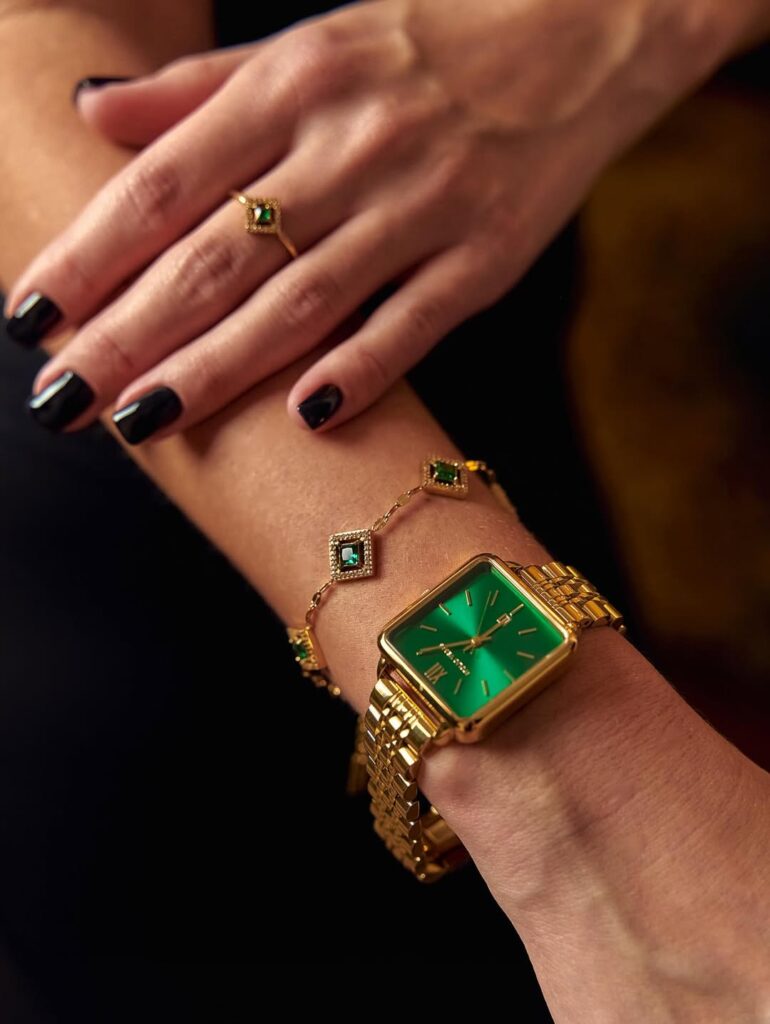
The quickest way to judge whether a watch feels “premium” isn’t the marketing copy—it’s the details:
- Dial legibility: Can you read it quickly in normal indoor light?
- Finishing: Do the edges and surfaces look intentional?
- Case shape and proportions: Does it look balanced or overly thick/bulky?
- Wrist presence: Does it complement your style or dominate it?
A good-looking watch should work in two directions:
- casual: jeans + t-shirt, sweater, sneakers
- formal: button-down, blazer, dress shoes
The difference is usually in the dial design and case finish. A cleaner dial and refined finishing tends to “dress up” easier. A bolder dial or thicker case leans more casual and statement-like.
Comfort and wearability (what you learn after a full day)
Photos don’t tell you comfort. A watch can look great and still be annoying to wear.
Here’s what you want to pay attention to during your at-home trial:
- Weight balance: does the head feel top-heavy, or does it sit stable?
- Strap/bracelet comfort: any pinching? any rough edges?
- Clasp/buckle: is it secure? easy to fasten? uncomfortable at the desk?
- Heat/humidity feel: does it get sticky in warm weather?
This is where the 60-day return window becomes a real advantage—comfort issues usually show up after multiple normal days, not in the first 30 seconds.
The real reason “free worldwide shipping” changes the deal
Online watch buying pain usually comes down to uncertainty:
- “How much will shipping cost?”
- “Will it get stuck?”
- “Will it arrive safely?”
- “How do I track it?”
- “What happens when it crosses borders?”
When shipping is free and worldwide, two things happen:
- Your total cost is easier to predict (no surprise shipping fee at checkout).
- International buyers aren’t penalized just for living outside the brand’s home market.
What “worldwide” implies (and what it doesn’t)
“Worldwide shipping” generally implies the brand is willing to ship to many countries and regions, but delivery experience can still vary by location due to:
- customs/import processes
- local carrier handoffs
- regional logistics speed
- address format requirements
So the smart move is to treat shipping like a process you can make smoother with preparation.
Practical expectations: tracking, handoffs, and how to reduce delivery stress
Most reputable shipments include tracking. You’ll often see delivery run through common carriers such as:
- DHL
- USPS
- (and depending on region, other local partners)
How it may work in real life:
- The package starts with one carrier (for example, DHL for international movement).
- It may be handed off to a local carrier for “last-mile” delivery (for example, USPS in the U.S.).
- Tracking sometimes updates more slowly during handoff stages.
To reduce delivery stress:
- Use your full legal name (match what carriers expect).
- Double-check address accuracy (apartment numbers, postal codes, region/state fields).
- Add a phone number (carriers often need it for delivery coordination).
- Choose a secure delivery location if you can (workplace reception, concierge, or someone who can sign).
- Understand import considerations: depending on your country, customs fees/taxes may apply. Free shipping doesn’t always mean “no import charges,” so plan for that possibility without assuming either way.
60-day returns: how to actually use the return window smartly
A return policy only helps if you treat it like a real trial—meaning you give yourself enough time to learn what you like (and what you don’t) without damaging the watch.
Turn the policy into a real at-home trial
Here’s how to test a watch like you would in real life:
- Different lighting: indoor warm light, daylight, evening lighting
- Different outfits: casual, office, formal
- Different routines: desk work, driving, walking, errands
- Different temperatures: does it feel comfortable in heat or cold?
You’re looking for the “small annoyances” that don’t show up on day one: clasp rubbing, top-heaviness, glare, strap stiffness, or simply not matching your wardrobe as well as you expected.
What to keep pristine (so you don’t accidentally ruin your return option)
If you want the option to return, treat the watch like it’s on loan:
- Keep protective films on as long as possible
- Keep tags and inserts (if included)
- Keep the original watch box and any watch pouch
- Keep receipts/confirmation emails
- Keep everything that arrived in the package (don’t throw “small stuff” away)
Return readiness checklist (the “don’t regret this later” list)
To stay return-ready:
- Avoid scratches: don’t wear it next to bracelets, don’t toss it in a bag
- Avoid moisture exposure: don’t “test” water resistance in the shower
- Keep bracelet/strap in good condition: avoid creasing leather straps, avoid banging bracelets
- Re-pack carefully: the biggest risk in returns is transit damage, so pack it like you’re shipping something fragile (because you are)
If you do resize/adjust a bracelet, be careful. Some watches can be resized cleanly and still be returnable, but others may be treated differently. The safest move: if you’re unsure, test comfort first before making permanent-style changes.
Warranty and support: what the 24-month movement warranty typically covers (and how to avoid voiding it)
A 24-month movement warranty usually means the brand covers issues related to the watch’s movement (the internal mechanism that keeps time) for two years—within reasonable conditions.
Movement issues vs wear-and-tear (in plain language)
Typically covered (movement-related):
- abnormal timekeeping due to a movement problem
- faults that appear under normal use
- internal mechanical/electrical issues (depending on movement type)
Typically not covered (wear-and-tear or user damage):
- strap wear, bracelet scuffs, clasp scratches
- accidental damage (drops, impacts)
- water damage due to misuse
- damage from unauthorized repairs or modifications
The key mindset: warranty is there for manufacturing or movement-related issues, not for the normal marks that come from wearing a watch.
What to document on day 1
Do this the day your watch arrives:
- Save the order confirmation
- Note any serial/product details (if provided)
- Take clear photos of the watch on arrival (dial, case, clasp, any accessories)
- Take a quick video showing basic function (if helpful)
If anything looks off, documentation makes support faster and cleaner.
Customer support expectations (and how to ship a watch for service)
When contacting support, include:
- order number
- your full name and email used at checkout
- clear description of the issue
- photos/videos of the issue
- what troubleshooting you’ve tried (if any)
If a watch needs to be shipped for service:
- pack it in the original box (if possible)
- cushion it inside a shipping carton with padding
- don’t ship it loose or with metal jewelry that can scratch it
- keep tracking and shipping proof
Water resistance: what your rating means in real life
Water resistance is one of the most misunderstood parts of watch ownership.
A watch’s water resistance rating is not a lifetime guarantee. It’s a measure of resistance under specific conditions, and it can change over time because:
- gaskets age and compress
- impacts can compromise seals
- crowns can be left unsealed
- heat and steam can stress components
Practical do’s and don’ts (that save you money later)
Even if a watch is rated for water resistance, avoid these high-risk scenarios:
- showers (steam + heat + soap is a bad combo)
- hot tubs/saunas (heat and pressure changes)
- rapid temperature changes (cold water after heat can create condensation risk)
If you do swim (and your rating supports it), still use common sense:
- make sure the crown is fully secured
- don’t operate the crown/buttons while wet
- rinse after exposure
Pool and ocean reality: chlorine and salt are not “just water”
- Chlorine can be harsh on seals and finishes.
- Salt can corrode over time if not rinsed off.
If your watch is exposed:
- rinse with fresh water (if appropriate for your watch)
- dry with a soft microfiber cloth
- don’t store it damp
When to check water resistance
Consider checking water resistance:
- after a battery change or service
- after a hard knock/drop
- regularly if you swim often
If you ever see fogging/moisture under the crystal: treat it as urgent.
Luxury wristwatch maintenance: the simple routine that keeps it looking new
You don’t need fancy tools to keep a luxury watch looking great. You need consistency and gentleness.
Weekly “2-minute” wipe-down
Once a week (or after a long day), do this:
- wipe the case, crystal, and clasp with a clean microfiber cloth
- focus on areas that collect oils: under the case, around the clasp, near the crown
This prevents that dull film that slowly makes a watch look “older” than it is.
Occasional deeper cleaning (safe, simple approach)
For occasional cleaning:
- use a slightly damp microfiber cloth (water only) for the case/bracelet exterior
- dry immediately with a second cloth
- avoid getting moisture into gaps unless you’re confident in the watch’s water resistance and seals
What to avoid:
- household cleaners
- alcohol wipes (can affect coatings and finishes)
- abrasive pastes
- paper towels (they can micro-scratch)
Strap vs bracelet care
Bracelet care (metal):
- wipe regularly
- clean gently around links (soft cloth)
- dry thoroughly
Strap care (especially leather):
- avoid soaking
- wipe lightly
- let it air out after sweaty days
- don’t store it wet or in a sealed humid environment
What not to do (common damage habits)
- harsh chemicals
- abrasive towels
- aggressive brushing
- random home polishing kits you found online at 2 a.m.
Those are the shortcuts that create permanent “why did I do that” marks.
Polishing and scratch management: when to DIY vs go pro
Scratches are emotional. The first one hurts. Then you realize something important: a watch is a wearable object, and normal hairline marks happen.
Set expectations (and protect the finish long-term)
Light hairline marks are normal. The mistake is chasing perfection too aggressively, because polishing removes material. Over time, excessive polishing can soften edges and change the look of the case.
Safe at-home steps (low-risk)
At home, your safest scratch management is prevention + gentle care:
- microfiber wipe-down (removes dust that causes micro-scratches)
- store the watch separately (not rubbing against jewelry)
- don’t use abrasive compounds
When to choose professional polishing
Go pro when:
- scratches are deep
- the watch has brushed surfaces that need correct grain direction
- edges/lines matter to the design
- you want to preserve the original geometry
A professional can restore without making the watch look “rounded off.”
How often is too often?
A good long-term strategy: polish rarely, only when it truly needs it. Most owners are happier doing light maintenance and accepting normal wear as part of ownership.
Proper storage: how to keep your Atolio Vegas watch safe between wears
Storage is where a lot of “mystery wear” happens—scratches you don’t remember making, moisture issues, fading straps.
The main enemies: moisture, dust, sunlight
- Moisture: can lead to fogging, odor in straps, or long-term internal issues
- Dust: acts like micro-abrasive grit over time
- Sunlight: can fade straps and affect materials if left for long periods
Storage setups that actually work
- Watch box at home: stable, clean, separated
- Watch pouch for travel: prevents rubbing in luggage
- Store it separate from jewelry (rings and bracelets are basically scratch machines)
Where not to store it
Avoid:
- bathroom counters (humidity)
- sunny windowsills (UV + heat)
- gym bags (impact + sweat)
- car glove box (heat swings)
Quick daily habit (the one that saves watches)
Wipe, dry, store.
Especially after humid days or workouts. That 20-second habit prevents most “why does my watch look tired?” problems.
Servicing: when to service a luxury wristwatch (and what “regular servicing” includes)
Regular servicing isn’t just a money-grab. It’s preventive care—like changing oil in a car.
What servicing typically includes (high-level)
- inspection
- cleaning
- movement lubrication (where applicable)
- gasket checks
- water resistance testing
Practical intervals (general guidance)
Service intervals depend on movement type and usage, but as a general approach:
- If you wear your watch often: plan periodic checkups over the years.
- If you swim regularly: prioritize gasket and water resistance checks more frequently.
- If it’s occasional wear: servicing can often be less frequent, but don’t ignore warning signs.
(If Atolio Vegas provides specific service guidance for a model, follow that first.)
Warning signs you shouldn’t ignore
- timekeeping suddenly gets worse
- crown feels stiff or gritty
- moisture/fog under the crystal
- unusual noises/feel when handling
- anything that feels “off” compared to week one
How to prep for service
- document the issue clearly (when it happens, how often)
- take photos/video
- pack securely
- keep proof for warranty discussions if applicable
Avoiding extreme conditions: the fastest ways people accidentally damage a good watch
Most watch damage isn’t from dramatic accidents. It’s from normal life: heat, steam, and carelessness.
Heat and steam (why they matter)
Extreme temperatures and rapid changes can:
- stress seals
- affect lubricants
- increase condensation risk
Where accidents happen (real-life list)
- hot tubs/saunas
- leaving it in a car
- beach days (sand + salt + sunscreen)
- cooking/steam
- gym locker rooms and showers
Simple prevention rules
- take it off before high-heat exposure
- rinse (if appropriate) after pool/ocean exposure
- dry before storage
- don’t operate crown/buttons when wet
Who Atolio Vegas watches are best for (and who should pass)
Best-fit buyers
Atolio Vegas tends to make the most sense for:
- first luxury wristwatch buyers who want a confident entry point without store pressure
- gift buyers who want a cleaner safety net (60-day returns helps a lot here)
- style-driven professionals who want a watch that looks right in meetings and after-hours
- travelers who value simple ownership rules and predictable buying logistics
Who should pass
You should probably skip if you’re:
- looking for heavy-duty dive use (and you actually dive, not just “sometimes near water”)
- someone who wants truly zero-maintenance wear without learning basic care
- someone who dislikes strap/bracelet adjustments and doesn’t want to deal with fit
How the shipping + returns combo reduces buyer regret
This is the core of the “why now” argument:
- You can try at home
- You can wear it in your real life
- You can return it if it’s not your style
That’s how you avoid buyer’s remorse—by replacing guesswork with a controlled trial.
How to buy with confidence: a simple checklist before you hit checkout
Here’s a practical checklist that prevents the most common mistakes.
1) Sizing and fit
- measure your wrist (soft measuring tape or string + ruler)
- decide strap vs bracelet based on comfort and climate
- plan for adjustments (especially for bracelets)
If you’re between sizes, prioritize comfort over “tight and perfect.” A watch you adjust all day becomes a watch you stop wearing.
2) Lifestyle match
Ask yourself:
- Will this be exposed to water weekly?
- Is it mostly office wear or outdoor wear?
- Do I travel often (and need secure storage)?
- Do I have a place to store it safely?
Be honest. The right watch for your lifestyle will get worn. The wrong one becomes a drawer item.
3) Shipping readiness (especially international)
- confirm address details (spelling, postal code, apartment/unit)
- add phone number
- consider secure delivery options if available
- understand carrier handoffs (DHL/USPS or regional equivalents)
4) On-arrival checklist (do this immediately)
- inspect the finish under good light
- test basic functions
- keep packaging for the full return window
- take quick photos for your records
If anything seems wrong, contact support early—don’t wait until day 55.
Wrap-up: why now’s the time to shop Atolio Vegas
If you’ve been thinking about buying a luxury wristwatch online but hesitating, the reason is usually risk—not desire.
That’s why the current setup at Atolio Vegas is compelling:
- Free worldwide shipping removes a major cost/commitment barrier (especially internationally).
- 60-day returns gives you a genuine at-home trial window so you can decide based on real life, not product photos.
If you want your watch to stay beautiful, the ownership success formula is simple:
- store it correctly
- clean it gently
- service it when needed
- respect water resistance (and don’t treat it like magic armor)
Next step: choose the Atolio Vegas watch you like, order it, wear it for a few weeks across your normal routine, and make your decision within the return window—with far less pressure than a typical luxury purchase.
Discover it now: velextrics.com