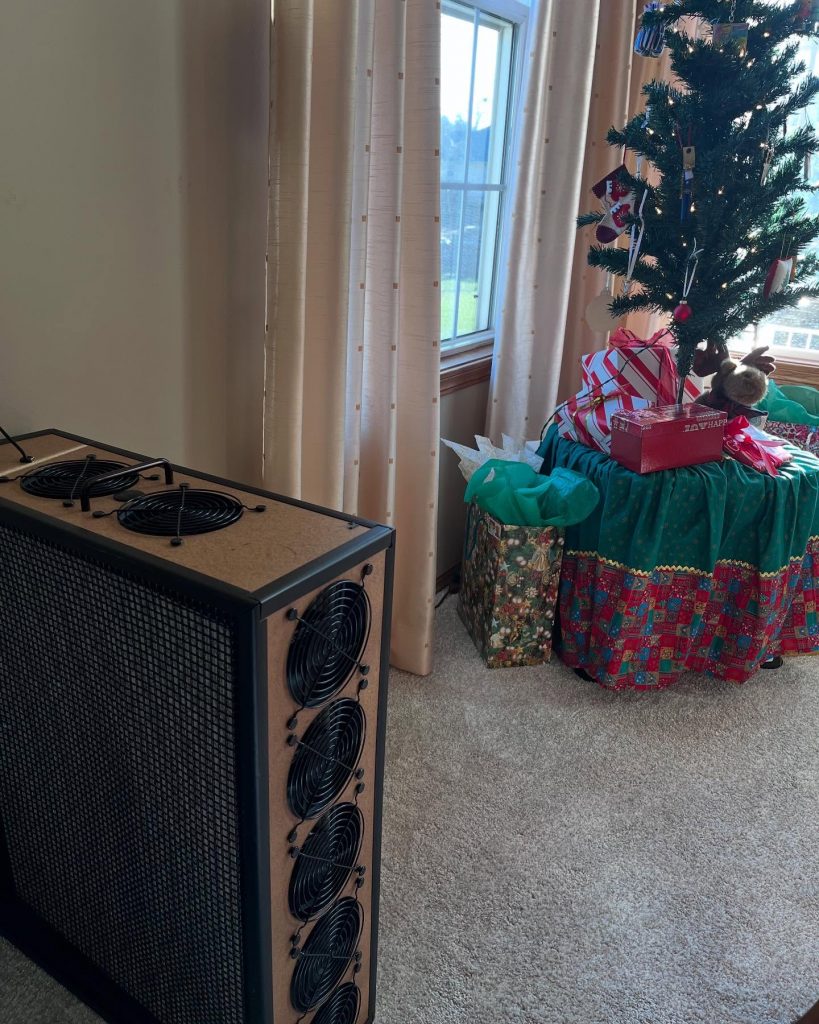
Indoor air quality has become a pressing concern for UK households, leading many to consider solutions such as Clean Air Kits, particularly as we spend more time indoors and become increasingly aware of invisible pollutants lurking in our homes. From dust mites and pet dander to volatile organic compounds released by everyday products, the air we breathe inside can sometimes be more contaminated than the air outside.
The market has responded with two distinct approaches: Clean Air Kits—often DIY-friendly solutions built around CPU fans and MERV-rated filters—and traditional air purifiers featuring HEPA filtration and powerful motors. But which option do UK households actually prefer?
This article dives into a comprehensive comparison between Clean Air Kits and traditional air purifiers, examining everything from filtration effectiveness and noise levels to running costs and maintenance requirements. We’ll explore what makes each solution tick and, crucially, reveal which features matter most to British homeowners when choosing their indoor air quality solution. Whether you’re reviewing Clean Air Kits for the first time or reconsidering your current setup, this guide will help you make an informed decision.
Understanding Clean Air Kits
Clean Air Kits are a grassroots solution for improving indoor air quality. They have emerged from the DIY community’s response to concerns about air pollution. These systems work by using low-power fans to pull air through high-efficiency filters, creating a constant cycle of filtration without the high cost or energy requirements of commercial units.
How Clean Air Kits Work
At the core of most Clean Air Kits is a surprisingly simple component: computer fans. The Cooler Master SickleFlow 120, for example, has become a popular choice among builders due to its dependability and silent operation. These fans push air through MERV 13 or MERV 14 filters—the same grade used in hospitals and commercial buildings—capturing particles as small as 0.3 microns.
The Corsi-Rosenthal Box Revolution
The Corsi-Rosenthal box has gained particular traction in UK households looking for effective yet affordable air cleaning. This cube-shaped design requires:
- Four or five MERV 13 filters (20×20 inches is standard)
- One box fan or multiple CPU fans
- Cardboard or wooden frame for structural support
- Duct tape or zip ties for assembly
Assembly takes roughly 30 minutes. The filters form the sides of a cube, with the fan mounted on top drawing air through all sides simultaneously. This multi-directional intake maximises filtration capacity whilst maintaining low noise levels.
DIY air cleaner kits typically consume between 30-50 watts—about the same as a laptop charger—making them remarkably energy-efficient. The absence of complex electronics and multiple speed settings keeps both power consumption and noise to a minimum, with most units operating below 40 decibels on standard settings.
Overview of Traditional Air Purification Solutions
Walk into any UK home or office concerned about air quality, and you’ll likely spot a portable air purifier humming away in the corner. These HEPA units have become the go-to solution for tackling indoor pollutants, representing the established approach to air cleaning that most people recognise.
HEPA filtration forms the backbone of these traditional systems. The term stands for High-Efficiency Particulate Air, and these filters must capture at least 99.97% of particles measuring 0.3 microns in diameter. This includes the troublesome culprits: dust mites, pollen, mould spores, and even some bacteria. The technology relies on a dense mesh of fibres that trap particles through a combination of interception, impaction, and diffusion.
When shopping for these devices, you’ll encounter CADR ratings prominently displayed on packaging. Clean Air Delivery Rate measures how quickly a purifier can clean air in a specific room size, expressed in cubic metres per hour (m³/h) or cubic feet per minute (cfm). The Intertek AHAM AC-1 CADR testing standard provides independent verification of these claims, giving consumers confidence in performance metrics.
Most traditional units feature:
- Multi-speed fan settings
- Pre-filters for larger particles
- Activated carbon layers for odours
- Indicator lights for filter replacement
- Coverage areas ranging from small bedrooms to large living spaces
These systems typically draw between 30-100 watts during operation, with the fan doing the heavy lifting to push air through the dense HEPA media.
Comparing Filtration Capacity and Effectiveness
The filtration capacity debate between Clean Air Kits and traditional units centres on what each system can actually capture from your indoor air. HEPA filters, the gold standard in commercial purifiers, must trap 99.97% of particles at 0.3 microns—the most penetrating particle size. This makes them exceptionally effective at removing PM2.5 particles, those tiny pollutants linked to respiratory issues.
Clean Air Kits using MERV 13 or MERV 14 filters operate differently. MERV 13 captures approximately 85-90% of particles between 0.3-1.0 microns, whilst MERV 14 pushes this to 90-95%. For dust and allergens filtration, both systems perform admirably:
- Pollen and pet dander (typically 5-100 microns): Both MERV and HEPA filters excel here, with near-complete removal
- Dust mites and their waste (10-40 microns): Equally effective across both systems
- Mould spores (3-40 microns): High capture rates for both filter types
The gap widens with VOCs removal. Neither MERV nor standard HEPA filters effectively capture volatile organic compounds—these gaseous pollutants require activated carbon filtration. Many traditional purifiers include carbon pre-filters, whilst DIY Clean Air Kits need separate carbon layers added to the design.
When you review Clean Air Kits against HEPA units purely on particle filtration, the difference becomes marginal for most household needs. Both systems handle common allergens and dust effectively, though HEPA maintains a slight edge on the smallest particles.
Noise Levels and Operation Quietness
The sound profile of an air purifier can make or break the living experience, particularly in bedrooms or home offices where concentration matters. Quiet operation air purifiers have become a priority for many UK households who want clean air without the constant hum of machinery.
Clean Air Kits typically operate at 25-35 decibels when using multiple Cooler Master SickleFlow 120 fans running at lower speeds. The distributed airflow approach means no single fan needs to work overtime, creating a gentle whoosh rather than an intrusive drone. Some DIY enthusiasts even build fanless versions that rely purely on natural convection, achieving near-silent operation.
Traditional HEPA units present a different story. Most commercial models run between 40-60 decibels on medium settings, with high-speed modes reaching levels comparable to normal conversation. The single powerful fan design, whilst effective at moving air quickly, generates noticeable noise that can disrupt sleep or quiet activities.
Noise levels in air purifiers directly impact where households place them and how often they actually run the devices—a crucial consideration when comparing real-world effectiveness.
Energy Efficiency and Running Costs
Power consumption is a critical consideration for UK households managing rising energy bills. Clean Air Kits typically use between 5-15 watts when using efficient CPU fans like the Cooler Master SickleFlow 120, while traditional HEPA air purifiers often consume 30-100 watts depending on their speed settings. This significant difference directly affects annual running costs.
Annual Cost Comparison:
- Clean Air Kit (10W average): Approximately £3-5 per year
- Traditional HEPA unit (50W average): Approximately £15-25 per year
- Premium commercial purifier (100W): Up to £40-50 per year
The energy-efficient design of Clean Air Kits becomes particularly appealing for households running their purifiers continuously. Many UK users prefer leaving air purification systems on 24/7 for consistent air quality, making low-energy solutions increasingly popular. A DIY Corsi-Rosenthal box consuming just 10 watts can operate year-round for less than the cost of a single takeaway coffee.
Beyond immediate savings, these low-energy solutions UK homes favour align with broader sustainability goals. The reduced carbon footprint appeals to environmentally conscious households, while the minimal impact on electricity bills removes the hesitation some families feel about running air purifiers constantly. Traditional units, despite their effectiveness, often prompt users to limit operating hours purely due to energy concerns—potentially compromising air quality during those off periods.
Maintenance Requirements and Durability Considerations
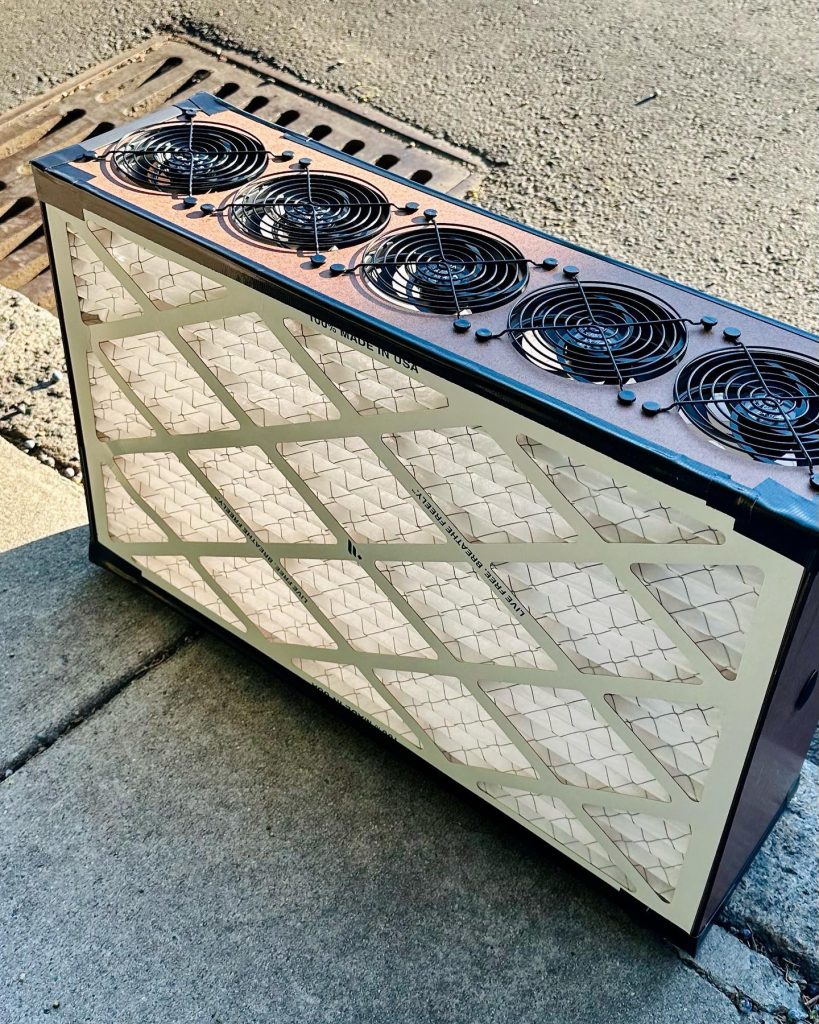
Filter replacement and maintenance routines differ significantly between the two approaches. Clean Air Kits typically use standard MERV-rated filters available from various suppliers, making replacements straightforward and competitively priced. You can swap out filters in minutes without special tools or technical knowledge—simply open the box, remove the old filter, and slot in a new one. Commercial HEPA units often require proprietary filters specific to each manufacturer, which can be more expensive and sometimes harder to source locally.
The durability of air purifier materials plays a crucial role in long-term satisfaction. Many DIY Clean Air Kits feature wooden cases that provide both aesthetic appeal and structural robustness. These timber enclosures resist warping and can withstand years of use whilst blending naturally into home décor. Traditional plastic-housed purifiers may become brittle or discoloured over time, particularly when exposed to sunlight.
When you review Clean Air Kits against commercial alternatives, the modular nature stands out. Individual components like CPU fans can be replaced independently if they fail, rather than discarding the entire unit. This repairability extends the lifespan considerably and reduces waste. Traditional purifiers, with their integrated electronics and sealed designs, often become obsolete when a single component fails, forcing complete replacement rather than simple repairs.
Cost Analysis and Affordability
The financial aspect often becomes the deciding factor when UK households weigh up their options for affordable indoor air purification solutions in the UK. A DIY vs commercial unit cost comparison reveals some striking differences that extend beyond the initial price tag.
DIY Clean Air Kit Costs
Building a DIY Clean Air Kit, such as a Corsi-Rosenthal box, typically costs between £50-£100 in materials. This includes:
- Four MERV 13 filters (roughly £40-£60)
- A box fan (£20-£30)
- Cardboard or tape for assembly
Commercial HEPA Unit Costs
Commercial HEPA units, by contrast, start around £150 for basic models and can easily exceed £400-£600 for premium brands with smart features and higher CADR ratings.
Long-Term Expenses: DIY vs Commercial Clean Air Kits
The real savings emerge when examining long-term expenses. Here’s how the costs compare:
DIY Kit Expenses
- Standard MERV filters costing approximately £10-£15 each to replace every 3-6 months, depending on air quality and usage
- Four filters for a Corsi-Rosenthal box might total £40-£60 annually
Commercial Unit Expenses
- Proprietary HEPA filters ranging from £30-£80 per replacement
- Some premium models demanding filter changes every 6-12 months at £50-£100 per set
Running Costs: DIY vs Traditional Units
Running costs add another layer to the equation. A DIY kit drawing 30-50 watts versus a traditional unit consuming 50-100 watts translates to noticeable differences on electricity bills over years of continuous operation. For budget-conscious households managing rising energy prices, these savings accumulate into hundreds of pounds over the unit’s lifetime.
What UK Households Actually Prefer – Insights & Trends
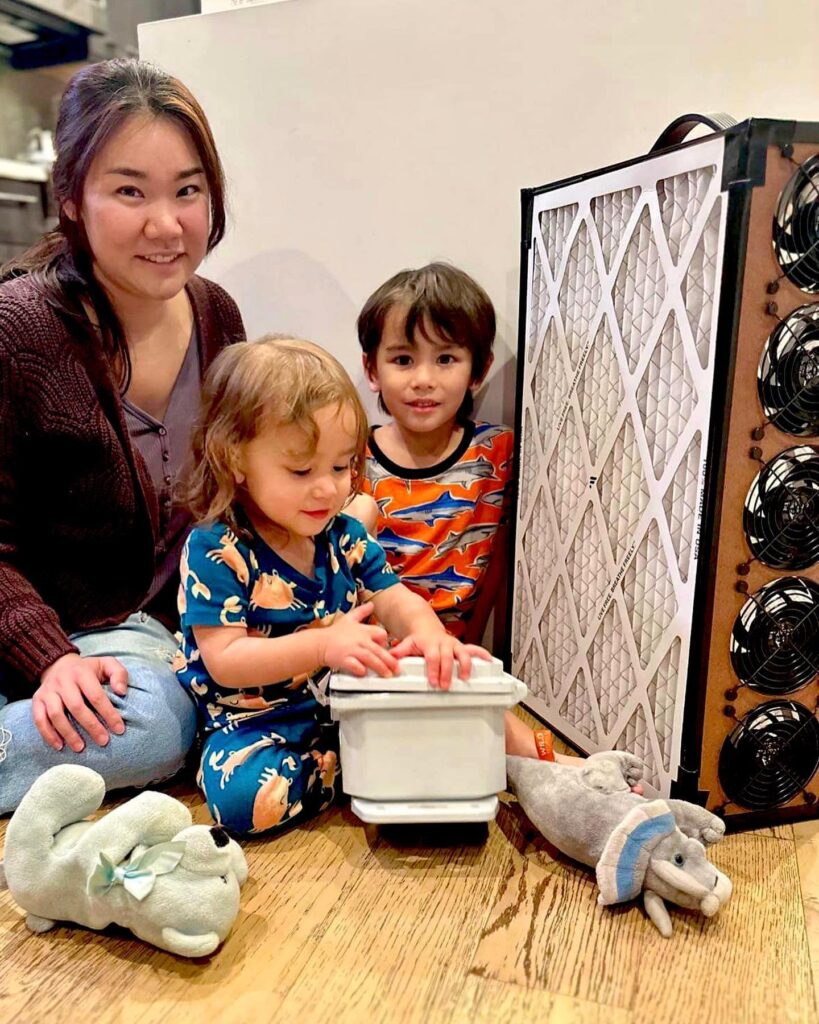
UK household preferences for clean air solutions reveal distinct patterns shaped by practical concerns and lifestyle priorities. Recent surveys and market data show that British consumers weigh several key factors when choosing between Clean Air Kits and traditional purifiers.
Noise Sensitivity
Noise sensitivity ranks as a top consideration, particularly for families with young children or those working from home. Many households report abandoning traditional HEPA units specifically due to disruptive fan noise during evening hours or video calls.
Energy Bills
Energy bills drive decision-making more than ever, with rising electricity costs pushing consumers towards lower-wattage options. The appeal of running a 20-watt Clean Air Kit versus a 50-80 watt commercial unit resonates strongly with budget-conscious families.
Maintenance Simplicity
Maintenance simplicity matters significantly to time-pressed households. The ability to source standard MERV filters from multiple suppliers—rather than hunting for proprietary replacements—appeals to those seeking straightforward upkeep without brand lock-in.
DIY Solutions
Interestingly, younger homeowners and renters show stronger interest in DIY solutions, viewing them as customisable and cost-effective alternatives to off-the-shelf products.
Conclusion
Choosing clean air systems for UK homes depends entirely on your household’s unique priorities and circumstances.
For those with noise sensitivity—particularly light sleepers or home workers—Clean Air Kits offer a compelling advantage with their whisper-quiet operation. The DIY Corsi-Rosenthal box, powered by low-noise CPU fans, creates a peaceful environment whilst maintaining excellent air quality.
Budget-conscious households will appreciate the upfront affordability of Clean Air Kits, typically costing £50-£80 compared to £200-£500 for commercial HEPA units. The ongoing savings on energy bills and affordable MERV filter replacements make them economically sensible long-term.
If you’re seeking plug-and-play convenience with certified performance metrics, traditional HEPA purifiers remain reliable choices despite higher costs. They suit households wanting guaranteed filtration standards without assembly requirements.
When reviewing Clean Air Kits versus traditional options, consider your tolerance for DIY assembly, available space, and whether you prioritise initial savings or established brand reliability. Both solutions effectively improve indoor air quality—the right choice simply matches your lifestyle and values.
Read more here: velextrics.com