Introduction
Breathing clean air at home shouldn’t be a luxury; it should be a standard, achievable with the help of Clean Air Kits, yet for many UK households, indoor air quality remains a hidden concern. CleanAirKits has emerged as a game-changer in the affordable indoor air purification solutions market, offering DIY filter systems that rival expensive commercial units at a fraction of the cost.
If you’re a pet owner battling constant dander, a parent worried about your children’s respiratory health, or a city dweller facing daily pollution, these kits address your specific challenges. Urban environments trap pollutants indoors, whilst pets contribute allergens that linger in carpets and furniture. Children, with their developing respiratory systems, are particularly vulnerable to poor air quality.
The beauty of Clean Air Kits lies in their simplicity and effectiveness. Unlike bulky commercial purifiers that can cost hundreds of pounds, these DIY solutions deliver comparable—sometimes superior—indoor air quality improvement through straightforward assembly and readily available components. You’re not paying for fancy branding or unnecessary features; you’re investing in proven filtration technology.
This review of Clean Air Kits explores why they’ve gained such momentum across the UK, examining their filtration capabilities, performance metrics, and real-world benefits for families and urban residents. Whether you’re assembling your first kit or comparing options, understanding what makes these systems effective will help you breathe easier at home.
Understanding Clean Air Kits
Clean Air Kits are a practical solution for improving indoor air quality. They are easy to make and use powerful filters to remove pollutants from the air. These kits are essentially DIY air cleaner kits that combine high-efficiency filters with regular box fans, creating an effective air cleaning system at a much lower price compared to commercial units.
What You Need to Build Your Own Clean Air Kit
The main components you’ll need for a Clean Air Kit include:
- High-efficiency filters: Look for filters with a MERV rating of 13 or higher.
- Box fan: A standard 20-inch box fan will work well.
- Mounting materials: You can use cardboard, wood, or plastic frames to hold everything in place.
- Tape or fasteners: These will be used to secure the various parts of the kit.
Popular Models Worth Knowing
When it comes to Clean Air Kits, there are a few models that have gained popularity and recognition:
The Corsi-Rosenthal Box
The Corsi-Rosenthal box has become widely known as one of the most user-friendly designs. It was created during the pandemic by Dr Richard Corsi and Jim Rosenthal. This cube-shaped setup uses four to five filters arranged around a box fan, allowing for maximum air intake from multiple directions while still maintaining stability.
The Luggable XL
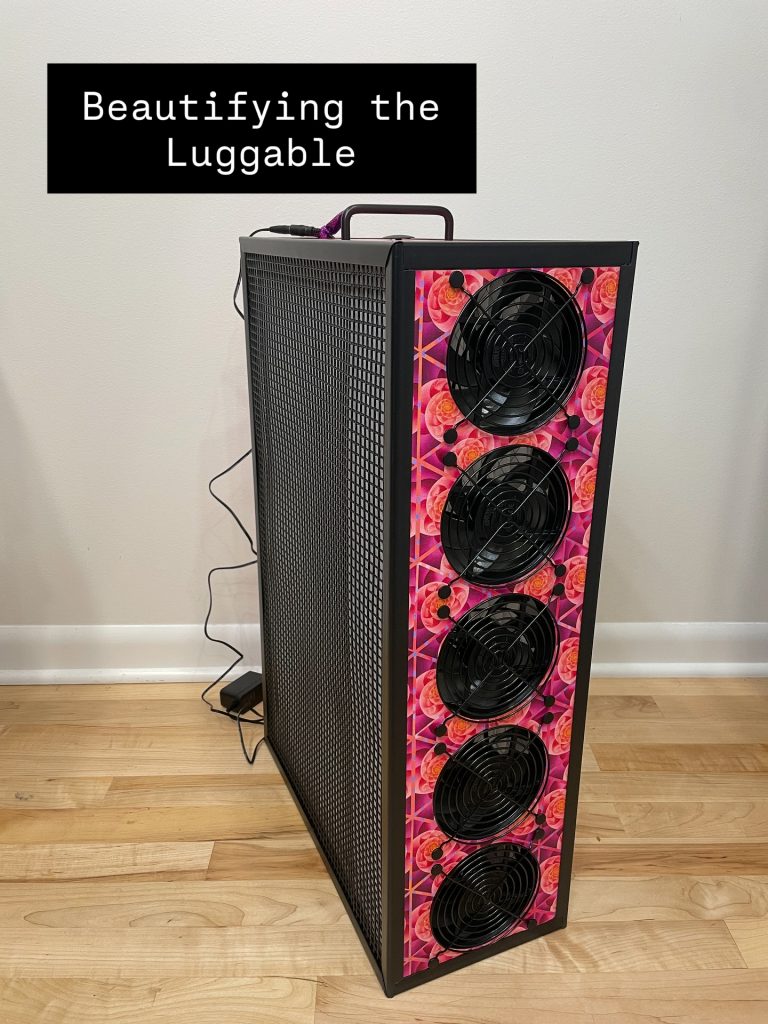
If portability is important to you, then the Luggable XL model is worth considering. It features a lightweight design with built-in handles and a protective case. This makes it ideal for families who need to move their air purifier from one room to another or transport it to different places such as offices or classrooms.
Air Purifier Assembly Instructions for a Basic Single-Filter Design
Building your own Clean Air Kit is simple and requires no technical expertise. Follow these step-by-step instructions:
- Select a 20-inch box fan and compatible MERV 13+ filter
- Position the filter against the intake side of the fan (air flows through filter first)
- Secure the filter using strong tape or purpose-built clips around all edges
- Ensure no gaps exist between filter and fan housing
- Place the assembled unit on a stable surface with adequate clearance
- Set fan speed according to room size and noise tolerance
By following these instructions, anyone can easily assemble their own air purifier using readily available materials.
Key Filtration Technologies in Clean Air Kits
The heart of any effective Clean Air Kit lies in its filtration technology. Understanding the different filter ratings helps you make an informed choice about which system best suits your household needs.
MERV Filters: A Closer Look
MERV 13 filters capture approximately 85% of particles between 1-3 microns in size, whilst MERV 14 filters push this efficiency up to around 90%. This seemingly small difference becomes significant when dealing with persistent pollutants like pet dander, pollen, and mould spores that plague many UK homes. For families with multiple pets or children prone to allergies, that extra 5% can translate to noticeably cleaner air.
HEPA Filters: The Gold Standard
HEPA units operate on a different standard altogether. True HEPA filters must capture 99.97% of particles as small as 0.3 microns, making them the gold standard for air purification. Whilst MERV ratings top out at MERV 16, HEPA filtration surpasses even this level. The trade-off? HEPA filters typically require more powerful fans and create higher resistance to airflow, which can increase noise levels and energy consumption.
The Best of Both Worlds: 3M Filtrete MPR1900+
The 3M Filtrete MPR1900+ represents a sweet spot for many households. This filter excels at trapping PM2.5 particles—those tiny pollutants measuring 2.5 microns or smaller that penetrate deep into lungs and cause respiratory issues. City dwellers face constant exposure to PM2.5 from traffic emissions, whilst pet owners battle microscopic skin flakes and fur particles that linger in the air for hours.
The Importance of Filtration Capacity
Filtration capacity determines how much contaminated air a filter can process before becoming saturated. A filter with higher capacity maintains its efficiency longer, requiring less frequent replacements. For busy parents juggling childcare and pet care, choosing filters with robust capacity means fewer maintenance interruptions and more consistent air quality protection.
Performance Metrics to Consider When Choosing Clean Air Kits
When you’re ready to review clean air kits for your home, understanding performance metrics helps you make an informed decision that matches your specific needs. These measurements provide concrete data about how effectively a kit will clean your indoor air.
1. CADR (Clean Air Delivery Rate)
CADR (Clean Air Delivery Rate) serves as the gold standard for measuring air purifier performance. This rating tells you the volume of clean air an air purifier produces per minute, measured in cubic feet per minute (cfm) or cubic metres per hour (m³/h). Think of it as the speed at which your kit can filter out specific pollutants—smoke, dust, and pollen each have separate CADR ratings. A higher CADR means faster air cleaning, which becomes particularly important in homes with multiple pets or young children who spend hours playing on the floor where allergens settle.
The Intertek AHAM AC-1 CADR testing standards provide independent, third-party verification of these performance claims. This rigorous testing protocol ensures manufacturers can’t inflate their numbers, giving you confidence in the specifications listed on your clean air kit. The testing occurs in controlled environments that simulate real-world conditions, measuring how quickly the unit reduces pollutant concentrations.
2. Air Changes Per Hour
Air changes per hour represents another critical metric, especially for larger spaces like living rooms or classrooms. This figure indicates how many times your clean air kit can filter the entire volume of air in a room within 60 minutes. For a room where pets roam freely or children play, aim for at least 4-5 air changes per hour to maintain consistently fresh air. A 20-square-metre living room requires different specifications than a compact bedroom, so matching your kit’s capacity to your room size ensures optimal performance.
Choosing the Right Fan for Your Clean Air Kit: Balancing Performance and Noise Levels
The heart of any DIY clean air kit lies in its fan selection. The Cooler Master SickleFlow 120 has emerged as a popular choice amongst builders in the UK, originally designed as one of the high-performance CPU fans for gaming rigs. This 120mm fan delivers impressive airflow whilst maintaining relatively quiet operation—a crucial balance for home environments where you don’t want constant background noise disturbing family life or pet rest times.
When selecting a fan for your clean air kit, you’re essentially making a trade-off between three key factors:
- Airflow capacity (measured in CFM – cubic feet per minute)
- Noise levels (measured in decibels)
- Energy consumption (measured in watts)
The SickleFlow 120 typically operates at around 2000 RPM, pushing approximately 62 CFM of air through your filters. This creates enough pressure to force air through dense MERV 13 or MERV 14 filters without straining the motor. The noise output hovers around 19-26 dBA depending on speed settings—comparable to a whisper or quiet library.
Energy consumption matters more than many people realise. Running an air purifier continuously means your fan operates 24/7, potentially adding £20-40 to annual electricity bills. The SickleFlow 120 draws roughly 1.8 watts at moderate speeds, making it an economical choice for continuous operation. Compare this to some commercial units drawing 50+ watts, and the savings become substantial over a year of use.
For households with light-sleeping babies, noise-sensitive pets, or home offices requiring concentration, choosing a fan with PWM (Pulse Width Modulation) control allows you to adjust speeds based on time of day. Run higher speeds during daytime hours when pollutant levels peak from cooking or outdoor traffic, then dial back to whisper-quiet modes during evening hours.
Designing Durable and Portable Clean Air Kits: Material Considerations and Maintenance Tips
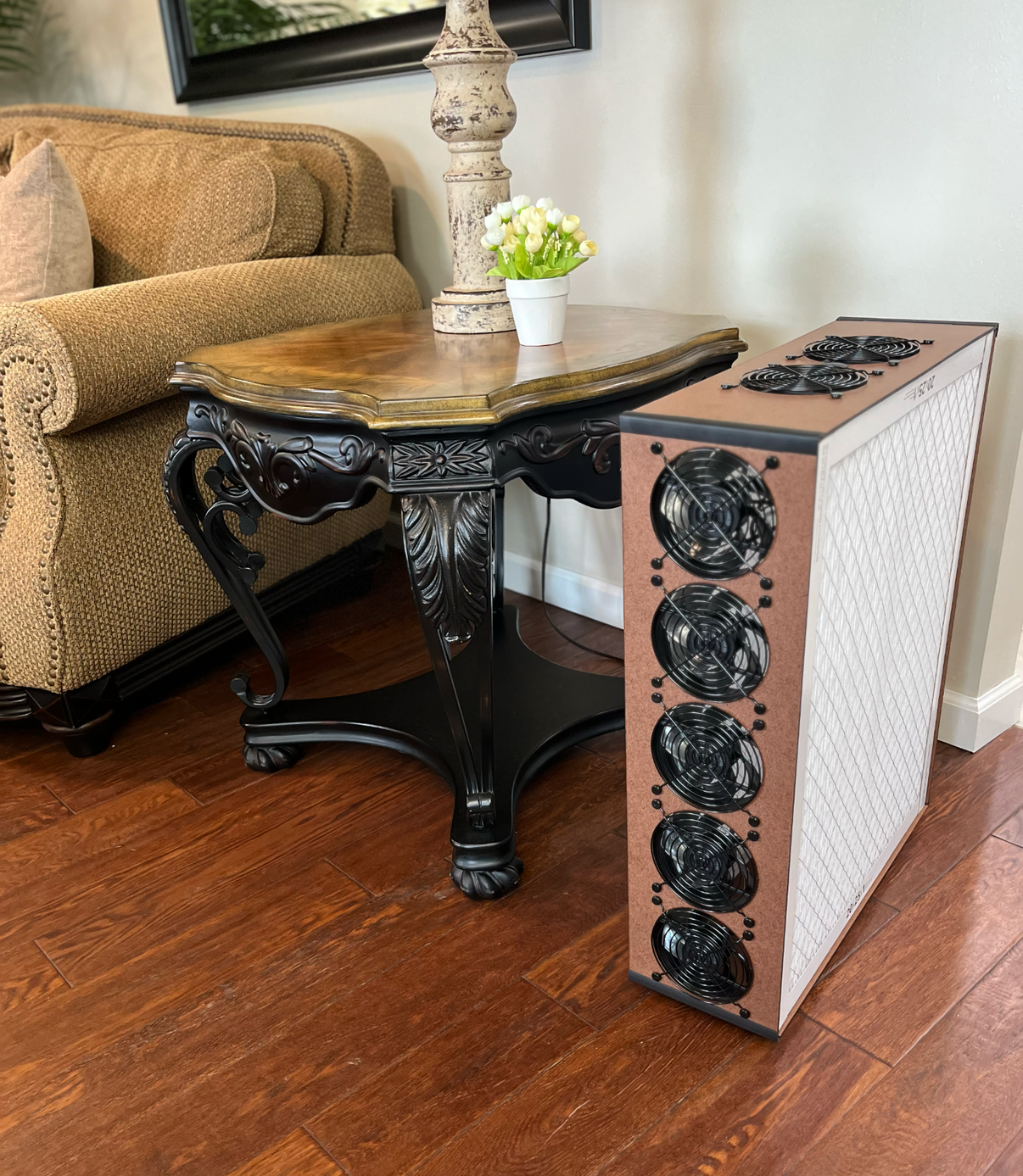
When you’re building or purchasing a Clean Air Kit that needs to travel between your bedroom, home office, or even to your child’s classroom, the durability of air purifier materials becomes a critical factor. These units aren’t meant to sit in one corner gathering dust—they’re active participants in maintaining healthy air wherever you need them most.
Material Choices: What Works Best?
Wooden air purifier cases have gained popularity amongst DIY enthusiasts for several compelling reasons:
- Aesthetic appeal: Natural wood finishes blend seamlessly with home décor, looking more like furniture than industrial equipment
- Structural integrity: Properly treated wood provides excellent support for filters and fans without flexing or warping
- Customisation potential: Easy to modify, drill, or adapt for different filter configurations
The trade-offs? Wood adds weight—typically 2-3kg more than plastic alternatives—making frequent moves between floors more taxing. Cost-wise, quality plywood or MDF cases run £15-30, compared to £8-15 for plastic equivalents.
Plastic cases offer lightweight portability and weather resistance, perfect for damp environments like basements. However, they can crack under stress and often lack the premium feel many prefer in visible living spaces.
Metal enclosures provide the ultimate durability but generate noise through vibration transmission. They’re best suited for garage workshops or utility rooms rather than nurseries.
Maintenance Essentials
Regular upkeep extends your kit’s lifespan significantly:
- Vacuum external surfaces monthly to prevent dust buildup
- Check filter seals every three months to maintain efficiency
- Wipe fan blades with a damp cloth quarterly to reduce noise
- Replace filters according to manufacturer guidelines (typically every 6-12 months depending on usage)
Comparing Cost-Effectiveness: DIY Clean Air Kits vs Commercial HEPA Units
When comparing Clean Air Kits with commercial HEPA units, the price difference becomes immediately apparent. A typical DIY Clean Air Kit can be assembled for £50-£100, whilst commercial HEPA purifiers often start at £200 and can exceed £800 for high-end models. This substantial cost gap makes DIY kits particularly attractive for families managing multiple rooms or those on tighter budgets.
The filtration capacity of both options deserves careful examination. Commercial units typically advertise proprietary HEPA filters with specific CADR ratings, but many DIY Clean Air Kits using MERV 13 or MERV 14 filters can achieve comparable performance. A Review Clean Air Kits analysis shows that a properly assembled Corsi-Rosenthal box with four MERV 13 filters provides impressive filtration capacity that rivals commercial units costing three times as much.
The real advantage of DIY kits lies in their scalability. Pet owners dealing with dander in multiple rooms can build several units for the cost of one commercial purifier. Parents concerned about nursery air quality can position custom-built kits exactly where needed without breaking the bank. City dwellers facing pollution from traffic can create a network of air purifiers throughout their flat for comprehensive coverage.
Replacement costs also favour DIY solutions. Commercial HEPA filters often cost £40-£80 each and require annual replacement, whilst MERV filters for Clean Air Kits typically run £10-£20 per filter. This ongoing expense adds up significantly over the lifespan of the unit.
Filtration Efficiency & Coverage Area
The relationship between filtration efficiency and coverage area determines how effectively an air purifier tackles real-world challenges. Large living rooms filled with pet dander, bedrooms where dust mites accumulate, or play areas where children stir up carpet particles all demand different approaches to air cleaning.
Noise Level Comparisons Relevant To Sensitive Environments Like Nurseries Or Offices
When comparing Clean Air Kits with commercial HEPA units, noise levels in air purifiers become a critical consideration for specific environments. Parents setting up filtration in nurseries need whisper-quiet operation during nap times, whilst office workers require minimal distraction during focused work periods.
Understanding Noise Levels in Air Purifiers
DIY Clean Air Kits typically operate between 30-50 decibels depending on fan selection, with the Cooler Master SickleFlow 120 offering adjustable speeds to balance filtration capacity against sound output. Commercial units often advertise “silent modes” but may sacrifice filtration capacity at lower settings, creating a trade-off between air cleaning performance and acoustic comfort.
The Cost Factor: DIY vs Commercial HEPA Units
The question of whether opting for a DIY kit is truly more affordable than investing in a ready-made HEPA unit from a reputable brand extends beyond initial purchase price. Reviewing Clean Air Kits reveals that users can customise fan speeds to match their noise tolerance, particularly valuable in sound-sensitive spaces where children sleep or professionals concentrate. This flexibility allows households to prioritise either maximum filtration capacity during daytime hours or reduced noise levels during rest periods.
Suitability For Various User Groups Including Pet Owners And Parents
When comparing Clean Air Kits with commercial HEPA units, understanding how each option addresses specific household challenges becomes essential. Pet owners face a constant battle with dander, fur, and odours that circulate throughout their homes, whilst parents contend with dust particles, allergens, and other airborne contaminants that settle on floors where young children play and crawl. The filtration capacity of both DIY kits and commercial units determines how effectively they tackle these concerns.
Review Clean Air Kits demonstrate particular advantages for families with pets, as their customisable nature allows users to select filters specifically rated for pet dander removal. Parents of young children benefit from the ability to position multiple lower-cost units throughout different rooms rather than relying on a single expensive commercial purifier. The question of whether opting for a DIY kit is truly more affordable than investing in a ready-made HEPA unit from a reputable brand depends largely on these unique household requirements and the total square footage needing coverage.
Why Choose CleanAirKits UK? The Ideal Solution For Pet Owners, Parents & City Living
CleanAirKits UK has carved out a niche by understanding the precise air quality challenges that modern households face.
Challenges Faced by Pet Owners
Pet owners battle a constant influx of dander, fur particles, and the microscopic allergens that cling to every surface. These invisible irritants trigger sneezing fits, watery eyes, and respiratory discomfort—particularly problematic when Fluffy decides your bedroom is the perfect napping spot.
Challenges Faced by Parents
Parents navigate similar concerns, watching their little ones crawl across floors and breathe air that may contain dust mites, pollen tracked in from outside, and the fine particulate matter that seeps through windows in busy urban areas.
Challenges Faced by City Dwellers
City dwellers face an additional layer of complexity. Traffic emissions, construction dust, and industrial pollutants create a cocktail of PM2.5 particles that infiltrate homes despite closed windows.
CleanAirKits UK addresses this urban reality head-on with filtration systems specifically engineered to capture these microscopic threats. The MERV 13 and MERV 14 filters excel at trapping particles as small as 0.3 microns—the exact size range where PM2.5 lurks.
The practical design considerations set these kits apart for real-world use:
- Compact dimensions allow them to fit comfortably in cramped city flats without dominating floor space.
- Teachers appreciate the portability when moving units between classrooms.
- Office workers value the whisper-quiet operation during video calls.
- Parents can run these systems throughout the night in nurseries without disturbing sleep patterns, creating cleaner air whilst maintaining the peaceful environment young children need for proper rest.
Conclusion
Creating a healthier home doesn’t require breaking the bank or investing in expensive commercial units. DIY Clean Air Kits offer a practical, budget-friendly solution to indoor air quality issues that pet owners, parents, and city dwellers face every day. These systems are simple to understand—by using basic assembly skills and the right parts, you can create an efficient air purification system designed specifically for your needs.
Looking for reviews of Clean Air Kits? The growing community of users across the UK continues to share positive experiences with these DIY solutions. Many households report noticeable improvements in air quality, reduced allergy symptoms, and better sleep quality after implementing their own filtration systems. When you review Clean Air Kits available through CleanAirKits UK, you’ll find options that balance performance, affordability, and ease of assembly—three factors that matter most to busy families.
The investment in clean air pays dividends beyond immediate comfort. Children develop healthier respiratory systems when exposed to fewer airborne pollutants. Pets experience reduced irritation from recirculated dander and dust. City residents gain protection against the PM2.5 particles that infiltrate even well-sealed homes. These benefits compound over time, contributing to long-term wellness for everyone in your household.
Maintaining your Clean Air Kit requires minimal effort:
- Replace filters every 3-6 months depending on usage
- Keep fan blades dust-free for optimal performance
- Monitor air quality changes with simple observations or affordable sensors
- Adjust placement based on seasonal needs or room usage patterns
The path to cleaner indoor air starts with a single step. Whether you’re assembling your first Corsi-Rosenthal box or upgrading to a more sophisticated system, CleanAirKits UK provides the components and support needed to succeed. Your family’s health, your pets’ comfort, and your peace of mind all benefit from this proactive approach to managing indoor air quality. Start building your Clean Air Kit today and breathe easier knowing you’ve taken control of your home environment.
Learn more here: velextrics.com